Also available in:Ua
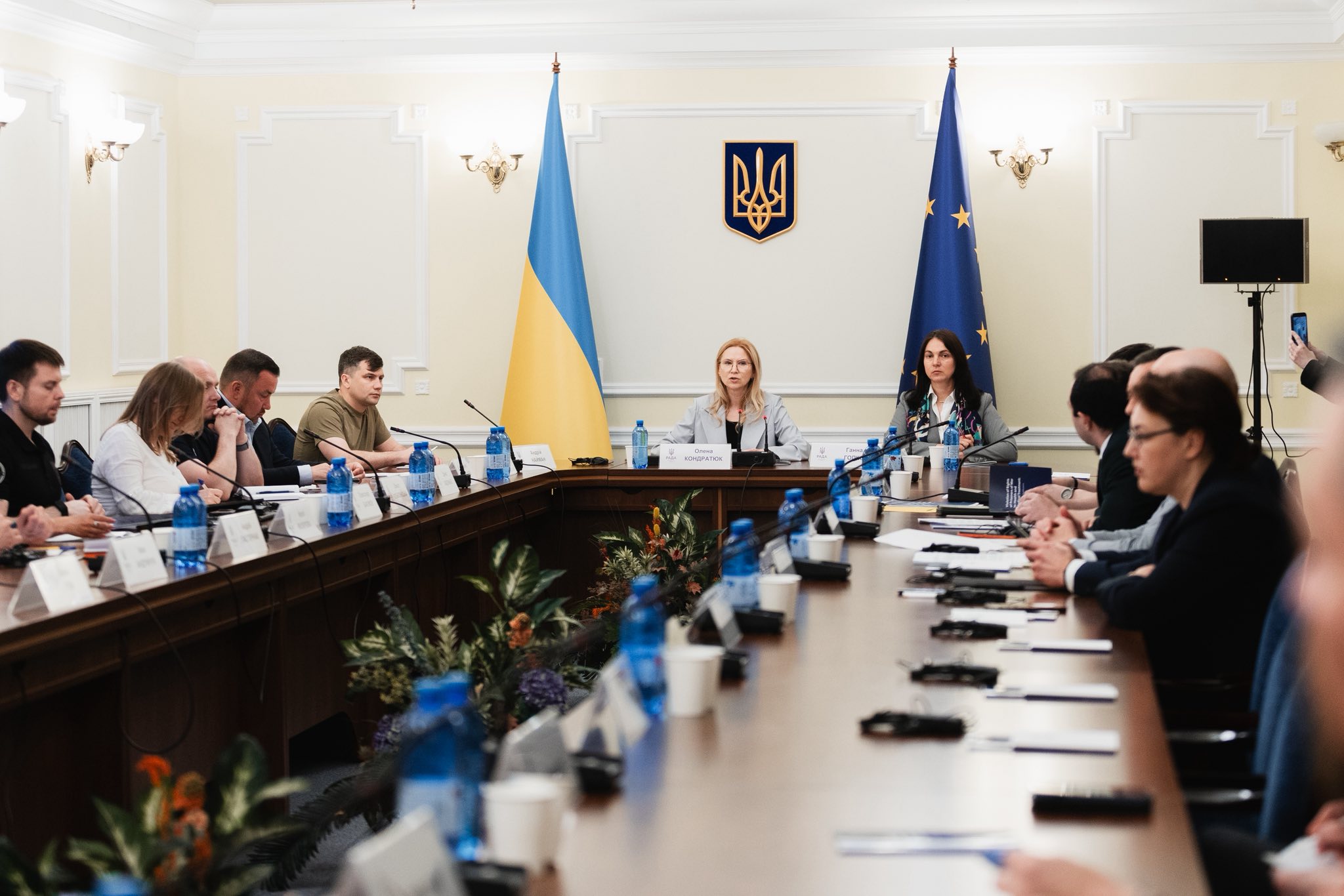
The National Interests Advocacy Network “ANTS”, together with the International Center for Ukrainian Victory (ICUV), with the support of the Deputy Chairperson of the Verkhovna Rada of Ukraine and with financial support from the European Union, presented the research “Violation of Rights of Prisoners of War to Health and Medical Treatment: Consequences, Qualifications and Perspectives.” For the first time, the research systematically documents cases of the deliberate denial of medical assistance to Ukrainian prisoners of war in the russian federation as a distinct element of state policy aimed at terror, torture, and a genocidal war against Ukraine. The event was attended by Members of Parliament of Ukraine, representatives of diplomatic missions and international organizations, members of the Coordination Headquarters for the Treatment of Prisoners of War, human rights advocates, and Ukrainian defenders who returned from russian captivity.
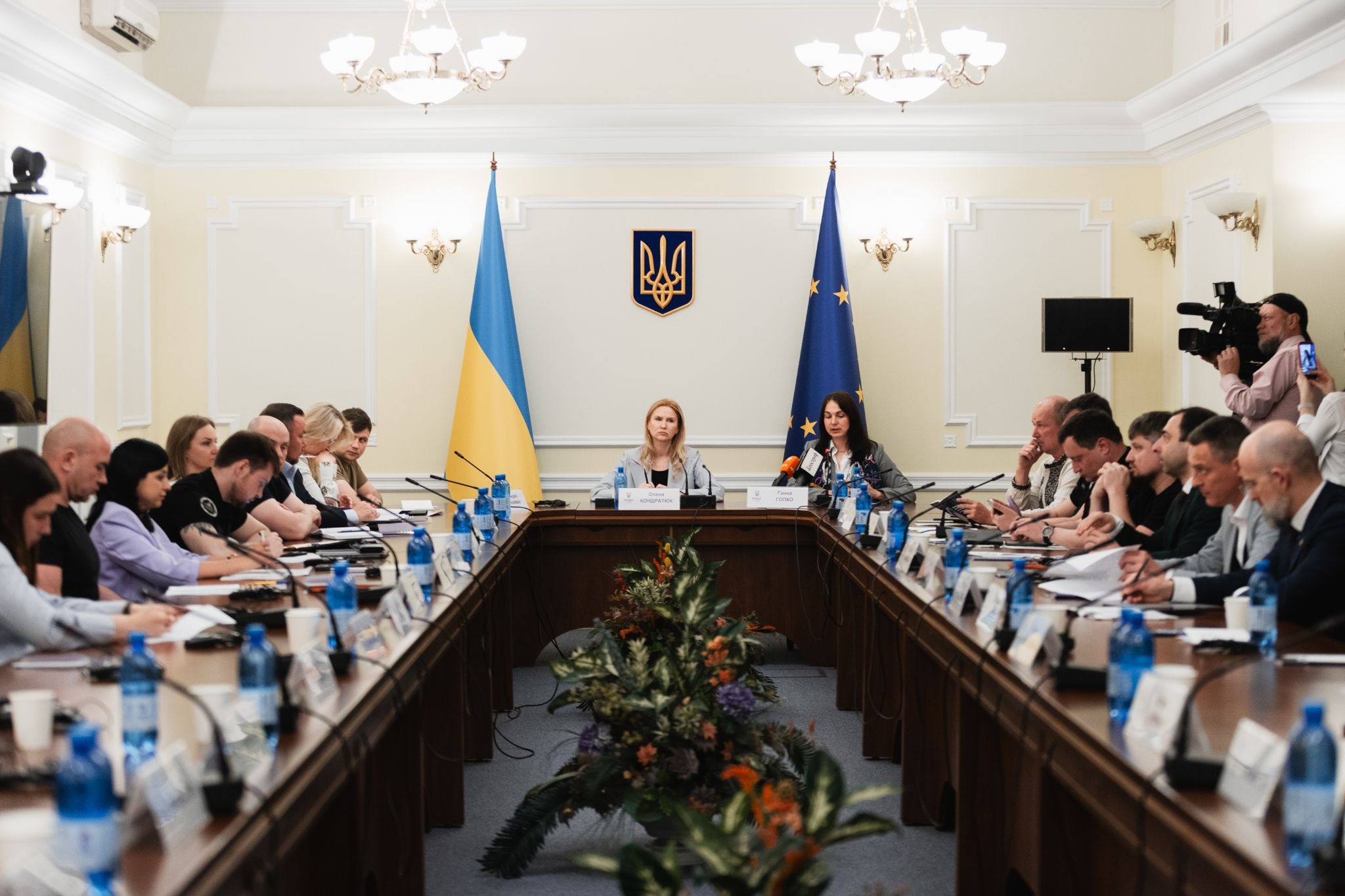
Photo: Tatyana Romanenko, press service of the Verkhovna Rada
Opening the event, Deputy Chairperson of the Verkhovna Rada of Ukraine Olena Kondratiuk emphasized that the research is the first to systematically document the medical dimension of russian crimes against Ukrainian prisoners of war and should serve as an important body of evidence for the international criminal prosecution of the russian federation. According to her, the scale of torture and the denial of medical care demonstrate a deliberate state policy pursued by russia, while the war itself is increasingly showing signs of a genocidal campaign.
“Approximately 7,000 Ukrainian prisoners of war are currently being held in russian captivity. The number of civilians ranges from 10,000 to 20,000 Ukrainians. More than 95% of Ukrainian prisoners of war are subjected to torture and cruel treatment in russian captivity. Recently, russia returned to us the bodies of 375 individuals bearing signs of torture and denial of medical care. The research presented today is the first to document this medical dimension with evidentiary precision. Wounds left to rot. Amputations performed without anesthesia. Teeth pulled out by intoxicated personnel without pain relief. Tourniquets removed from the wounded after the terrorist attack in Olenivka. The deliberate denial of medical care is a separate weapon used by russia. Legally, these are grave breaches of the Geneva Conventions and war crimes under Article 8 of the Rome Statute”
Deputy Chairperson of the Verkhovna Rada of Ukraine Olena Kondratiuk
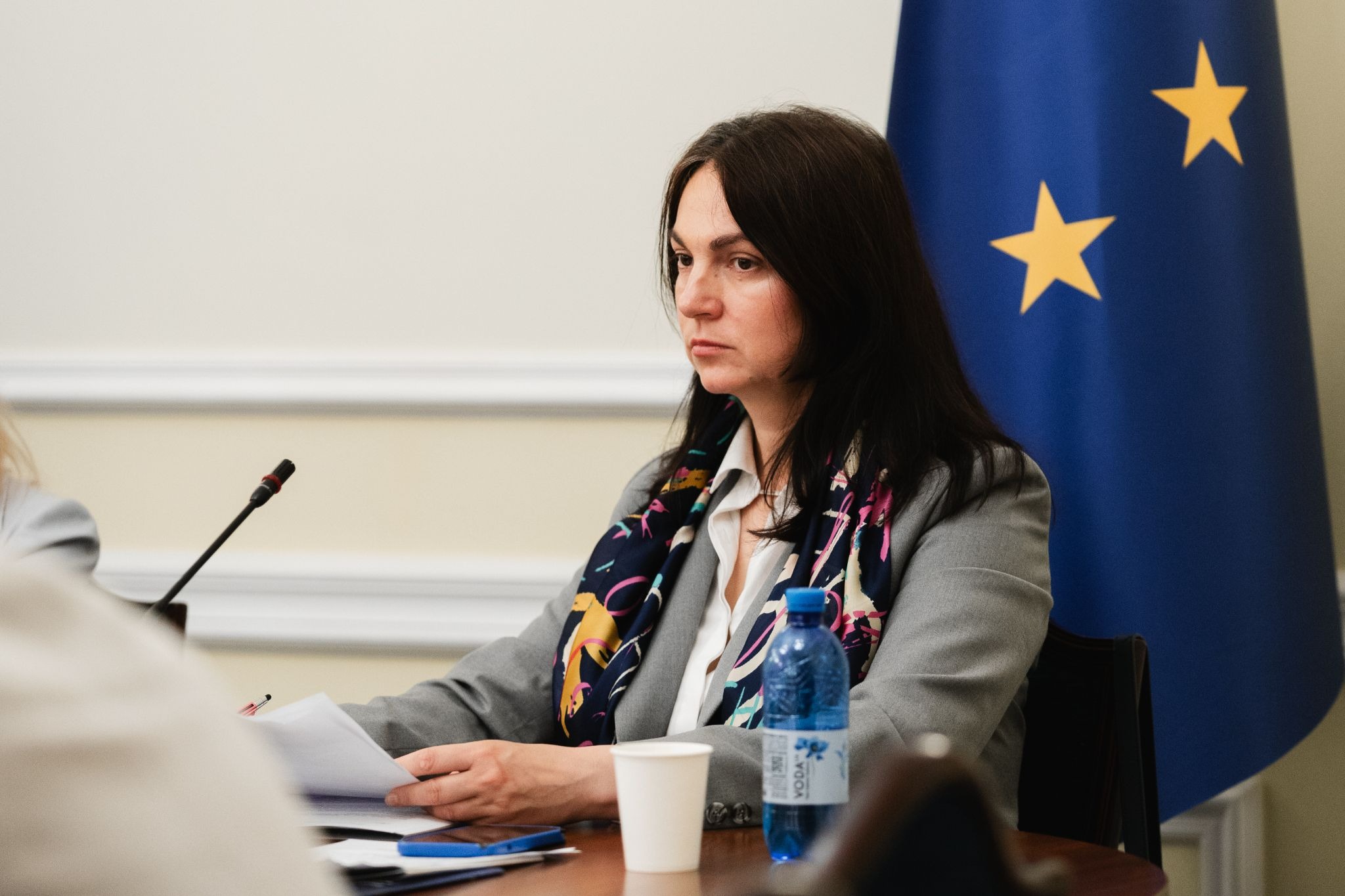
Hanna Hopko, Chair of the Board of the “ANTS” Network, emphasized that the research on violations of Ukrainian prisoners of war’s right to medical care is part of a broader effort to secure international recognition of the genocidal nature of russia’s aggression against Ukraine. She stressed that the systematic torture, the deaths of prisoners caused by the denial of medical assistance, and the deliberate creation of inhumane detention conditions are a continuation of russia’s imperial policy, which for years has ignored the norms of international humanitarian law. According to Hopko, the weak international response only emboldens the perpetrators of these crimes, and therefore the world must move from expressions of concern to concrete actions — including personal sanctions, international criminal prosecution, and the confiscation of russian assets.
“russia has spent years building a system in which the life of a Ukrainian in captivity holds no value whatsoever. The denial of medical care, torture, and the deliberate killing of wounded prisoners are all part of the russian federation’s state policy. The world must stop responding with concern alone. What is needed are personal sanctions against everyone involved — from prison colony officials to medical personnel — as well as international criminal prosecution and stronger mechanisms of pressure on russia. Impunity only encourages further crimes”
Hanna Hopko, Chair of the Board of the “ANTS” Network
The author of the research, leading legal expert at the “ANTS” Network and the International Center for Ukrainian Victory (ICUV), Andrii Mikheiev, emphasized that the research is the first to comprehensively analyze the medical dimension of russian crimes against Ukrainian prisoners of war. According to him, this is not about isolated incidents of cruelty, but rather a systematic policy of denying medical care, abuse, and the dehumanization of Ukrainian prisoners.
“These are not merely crimes committed by individual russians that could later be denied. This is a crime of the russian system of healthcare for prisoners of war, which, under the Geneva Conventions, should exist — but in reality does not exist and does not function at all. We documented episodes of beatings and torture inflicted simply for requesting medical assistance, deaths caused by the denial of even minimal treatment, the experimental use of psychotropic drugs on prisoners, the extraction of teeth without anesthesia, and even cases of the deliberate branding of defenseless prisoners by russian doctors with propagandistic inscriptions. All of this bears the hallmarks of war crimes, while some practices may also constitute the crime of genocide”
legal expert at the “ANTS” Network and the International Center for Ukrainian Victory (ICUV), Andrii Mikheiev
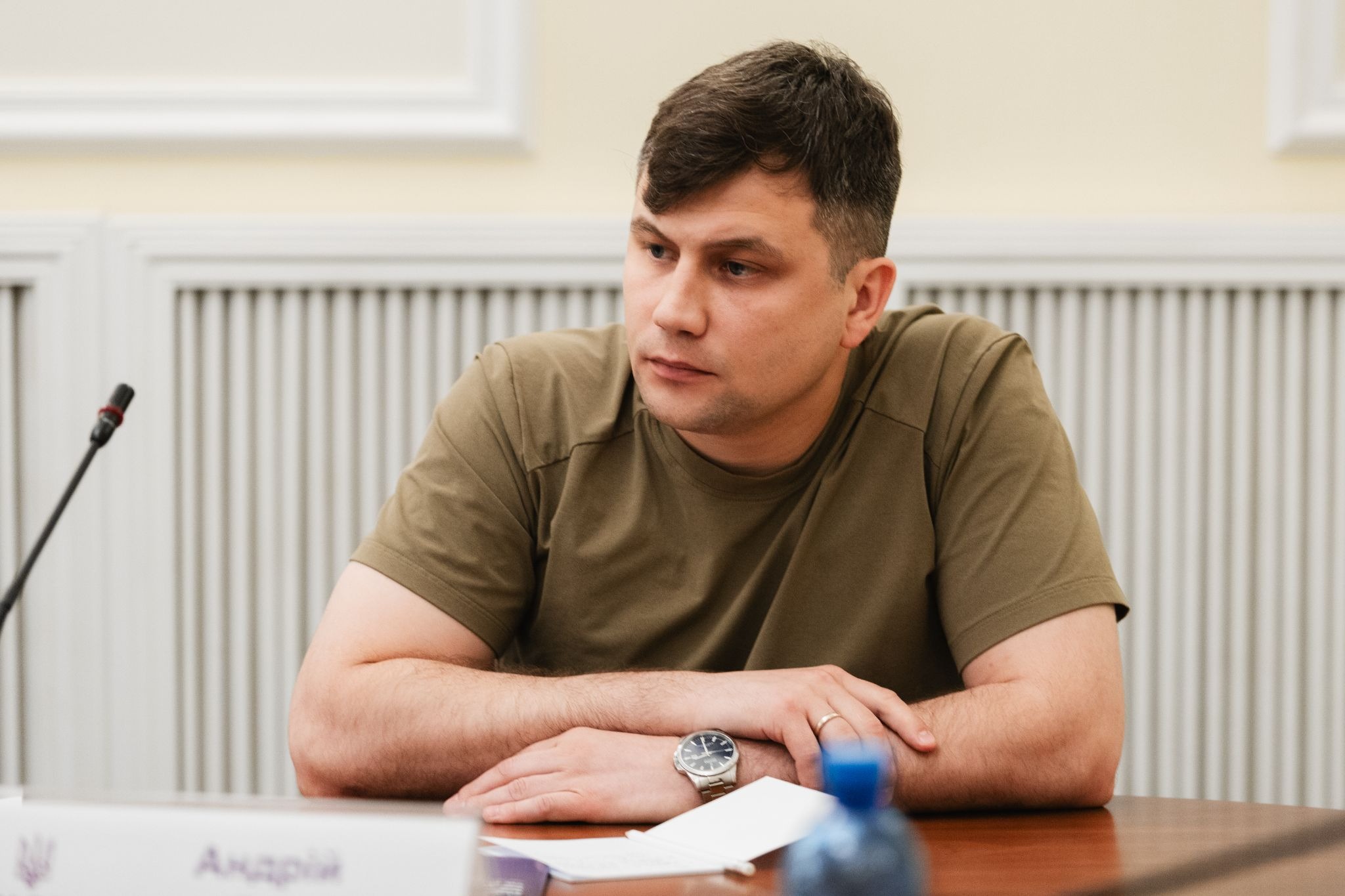
Photo: Tatyana Romanenko, press service of the Verkhovna Rada
Released from Russian captivity, military doctor and Medical Service Captain Andrii Naiman, who spent more than a year and a half in detention after leaving Mariupol, spoke about the systematic denial of medical assistance to Ukrainian prisoners of war and civilian hostages in russian penal colonies. According to him, following the terrorist attack in Olenivka, conditions for prisoners sharply deteriorated, while the russian detention facilities themselves effectively became spaces of total impunity and the deliberate destruction of people through the refusal of medical treatment.
“After the terrorist attack in Olenivka, no assistance was provided to the wounded for several hours. We, as doctors, understood that these were deliberate actions aimed at ensuring that people would die from severe bleeding. It was silent killing through the intentional denial of medical care. Even when prisoner doctors were eventually allowed to see the wounded, they were not given any medications or tools. You simply watch a person die, even though you could have saved them”
Military doctor and Medical Service Captain Andrii Naiman
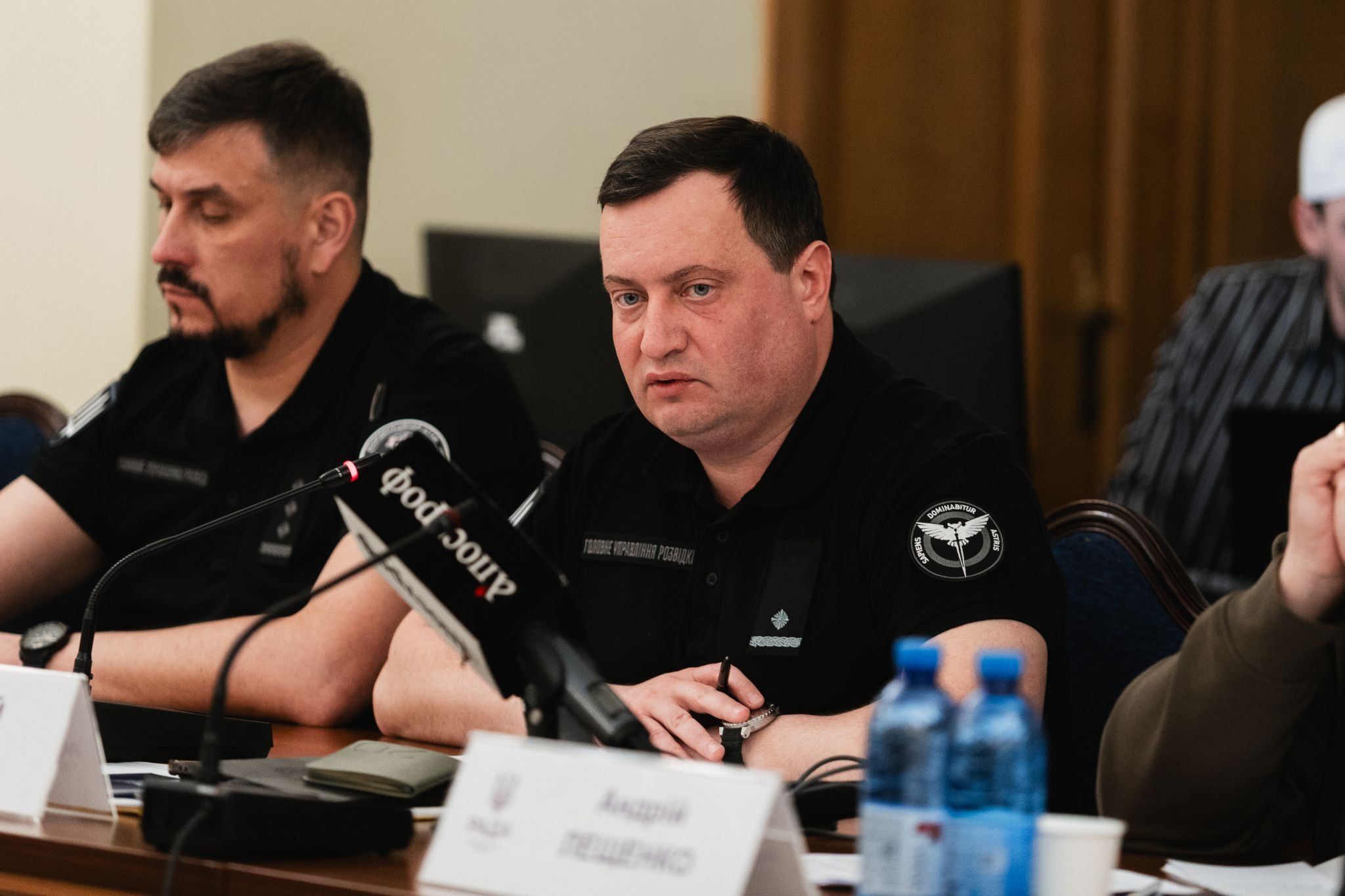
Photo: Tatyana Romanenko, press service of the Verkhovna Rada
Representative of the Coordination Headquarters for the Treatment of Prisoners of War, Andrii Yusov, emphasized that systematic torture, denial of medical care, and humiliation of Ukrainian prisoners of war are part of russia’s state policy and a component of a genocidal war against Ukraine. According to him, over the four years of the full-scale invasion, russia has still not created a single official prisoner-of-war camp in accordance with the requirements of the Geneva Conventions, and Ukrainian prisoners are being held in approximately 300 places of detention without access to international monitoring missions.
“We have information about approximately 300 places of detention for prisoners of war and civilians. There is systematically no access for the International Committee of the Red Cross and the United Nations to these locations. We know of 406 deaths in captivity. More than 95% of those returned report torture, inhumane treatment, and systematic denial of medical care. This is a sign of the state policy of Putin’s russia”
Representative of the Coordination Headquarters for the Treatment of Prisoners of War, Andrii Yusov
He also called on the international community to intensify sanctions pressure on the russian federation, strengthen universal jurisdiction mechanisms and international criminal prosecution, and ensure accountability not only for individual perpetrators but for the entire russian system involved in the torture and crimes against Ukrainian prisoners.
Head of the Committee of the Verkhovna Rada of Ukraine on Legal Policy, Denys Maslov, emphasized that russia’s crimes against Ukrainian prisoners of war have long gone beyond isolated violations of international humanitarian law and require a systematic international response — from sanctions pressure to international criminal prosecution. According to him, the research on the denial of medical care to prisoners is an important contribution to building an evidentiary base for the future punishment of all those involved in these crimes.
“There are no crimes that the russian federation has not committed against Ukrainians — both military personnel and civilians. Unpunished evil breeds even more evil. That is why this research is an important contribution to ensuring that those who commit these crimes are brought to justice. This includes international pressure, sanctions, activation of the work of the International Criminal Court, and the swift return of our prisoners of war home”
Head of the Committee of the Verkhovna Rada of Ukraine on Legal Policy, Denys Maslov
He also emphasized the importance of supporting Ukrainian defenders released from captivity and their families, in particular through free legal aid mechanisms adopted by the Verkhovna Rada of Ukraine.
Member of Parliament of Ukraine Mariya Ionova emphasized that the international response to the systematic torture and violations of the rights of Ukrainian prisoners of war remains insufficient, and that russia’s impunity only deepens the scale of these crimes. According to her, the research should serve as a foundation for developing concrete international mechanisms of pressure and coordination between Ukraine, the parliaments of partner countries, and international organizations.
“We must speak honestly: international efforts are insufficient. After Olenivka, we did not receive any adequate response. And today the problem is not only the denial of medical care or inhumane detention conditions. The problem is the impunity of those responsible. That is why we must be more vocal, more coordinated, and demand not only sanctions, but real international accountability for these crimes”
Member of Parliament of Ukraine Mariya Ionova
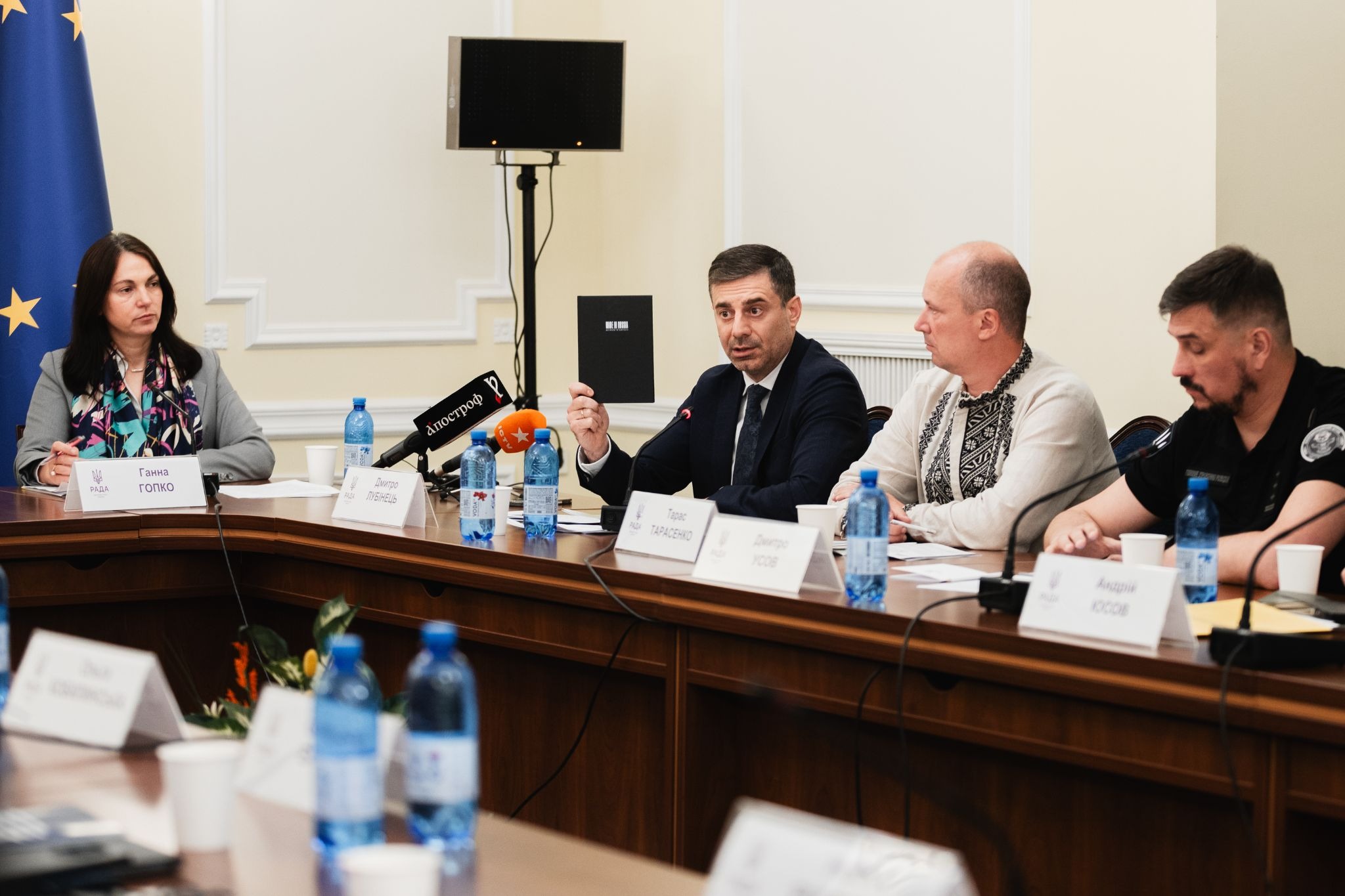
Photo: Tatyana Romanenko, press service of the Verkhovna Rada
Ukrainian Parliament Commissioner for Human Rights, Dmytro Lubinets, emphasized that russia systematically uses torture, denial of medical care, and inhumane detention conditions as an element of state policy toward Ukrainian prisoners of war and civilian hostages. According to him, the Ombudsman’s Office has already documented 695 types of torture and 860 cases of improper detention conditions for Ukrainians in russian captivity, and most released prisoners of war have experienced physical, psychological, and sexual violence.
“Today, the russian federation is the world’s largest exporter of war crimes. We have documented 695 types of torture used against Ukrainian prisoners of war. Ninety-five percent of Ukrainian prisoners of war have been subjected to torture. I have personally not yet met a single released prisoner who did not report being tortured. We know of 406 Ukrainian prisoners of war who were tortured to death in russian captivity. And even after all these facts, no additional sanctions or pressure mechanisms against the russian federation have yet been introduced”
Ukrainian Parliament Commissioner for Human Rights, Dmytro Lubinets
He also called on the international community to activate universal jurisdiction mechanisms, ensure access for international organizations to places where Ukrainian prisoners are being held, and establish an international compensation mechanism for victims of russian captivity.
Representative of the Office of the Military Ombudsman Olha Kobylynska noted that crimes against Ukrainian prisoners of war began long before the full-scale invasion, and that the international community for years underestimated the scale of russian aggression and the systematic nature of violations of international humanitarian law. She emphasized that Ukraine is not only documenting russia’s crimes but also building a system of support and rehabilitation for released military personnel and civilians who have been in captivity.
“We have spent years trying to convey to our international partners that russia has been systematically violating international humanitarian law since 2014. But even after the torture and killings of prisoners of war, the international response was insufficient. Today we are speaking about the need for a real international accountability mechanism and long-term support for those who have endured Russian captivity”
Representative of the Office of the Military Ombudsman Olha Kobylynska
This project, «Stronger Europe, United Front – Advancing Ukraine’s EU Membership for Greater Resilience and Security», was funded by the European Union. The content of this material is the sole responsibility of the «ANTS» NGO and does not necessarily reflect the views of the European Union.