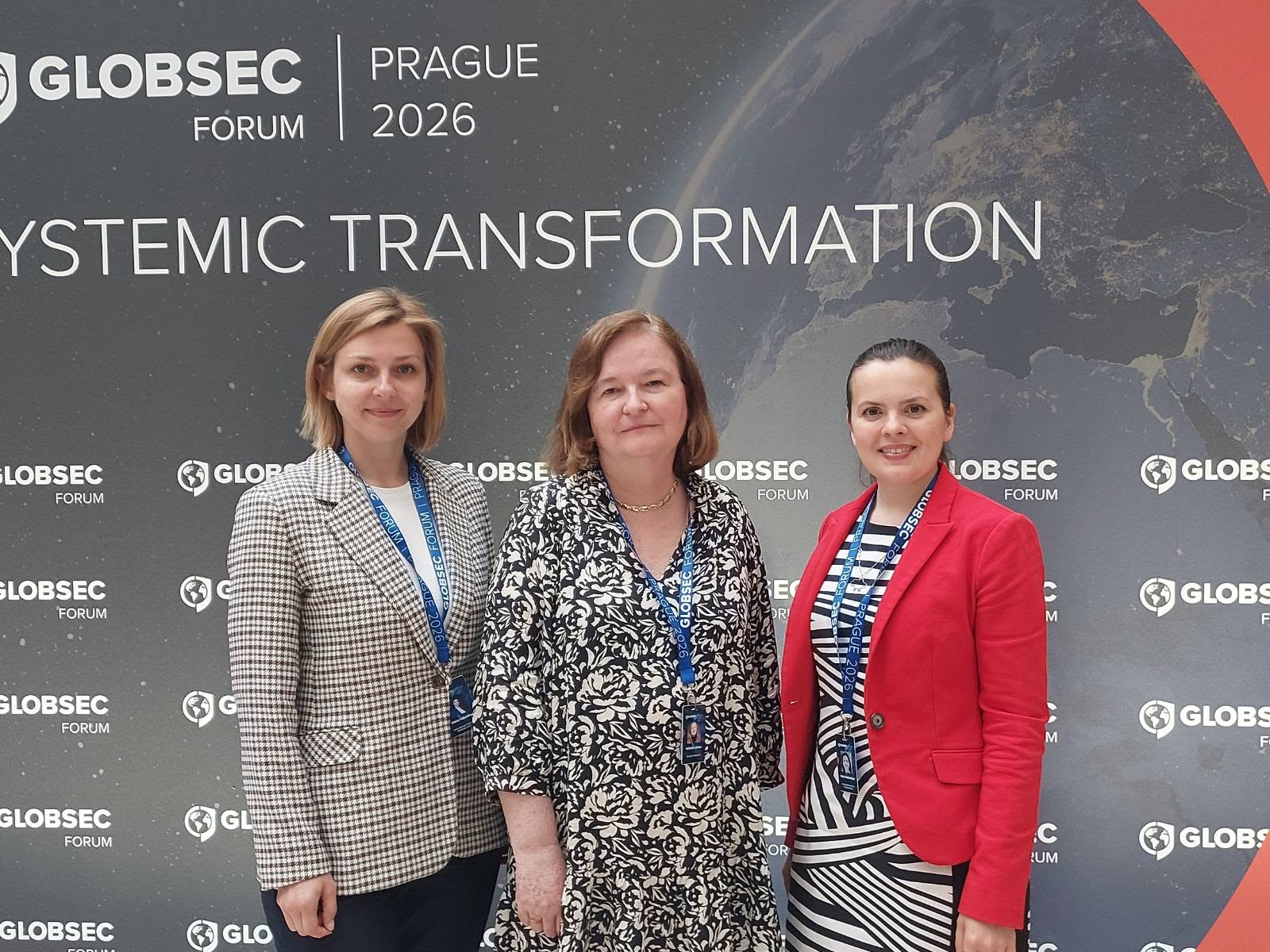
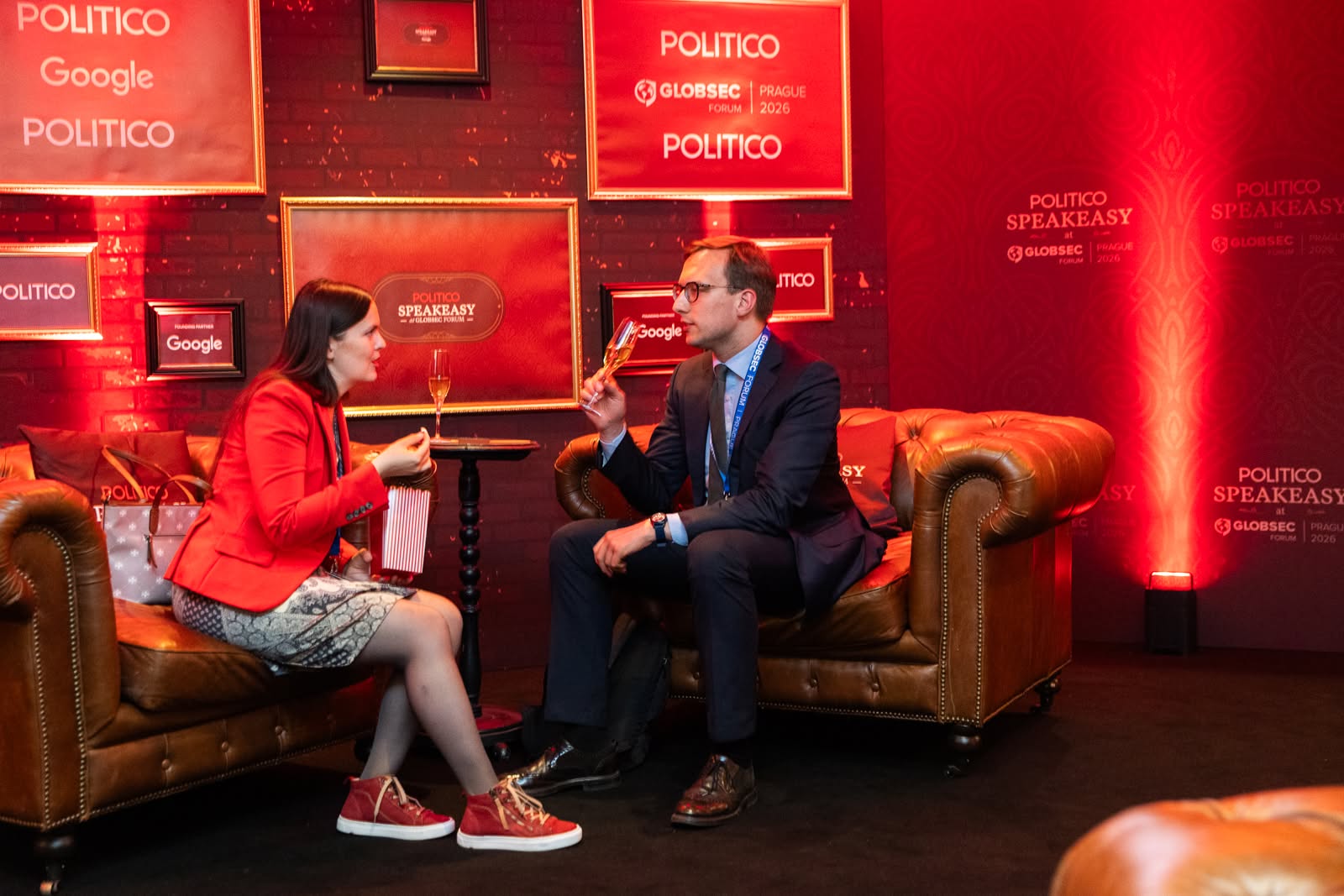
Europe cannot secure its future by merely managing the consequences of Russia’s aggression. It must invest in Ukraine’s victory. This was the central message brought by the International Centre for Ukrainian Victory (ICUV) to the GLOBSEC Forum 2026—one of Europe’s leading platforms for strategic dialogue, which this year convened more than 2,000 heads of state, ministers, military leaders, parliamentarians, security experts, business executives and journalists from over 80 countries.
For the third consecutive year, ICUV joined the Forum as an official Content Partner, contributing to discussions on Europe’s evolving security architecture and Ukraine’s indispensable role in shaping it.
Ukraine is no longer only defending Europe—it is helping redefine it
Throughout the Forum, ICUV advanced three strategic priorities: sustaining international support for Ukraine, recognising Ukraine as a pillar of Europe’s future security architecture, and strengthening pressure on Russia through sanctions and the confiscation of frozen sovereign assets under the #MakeRussiaPay campaign.
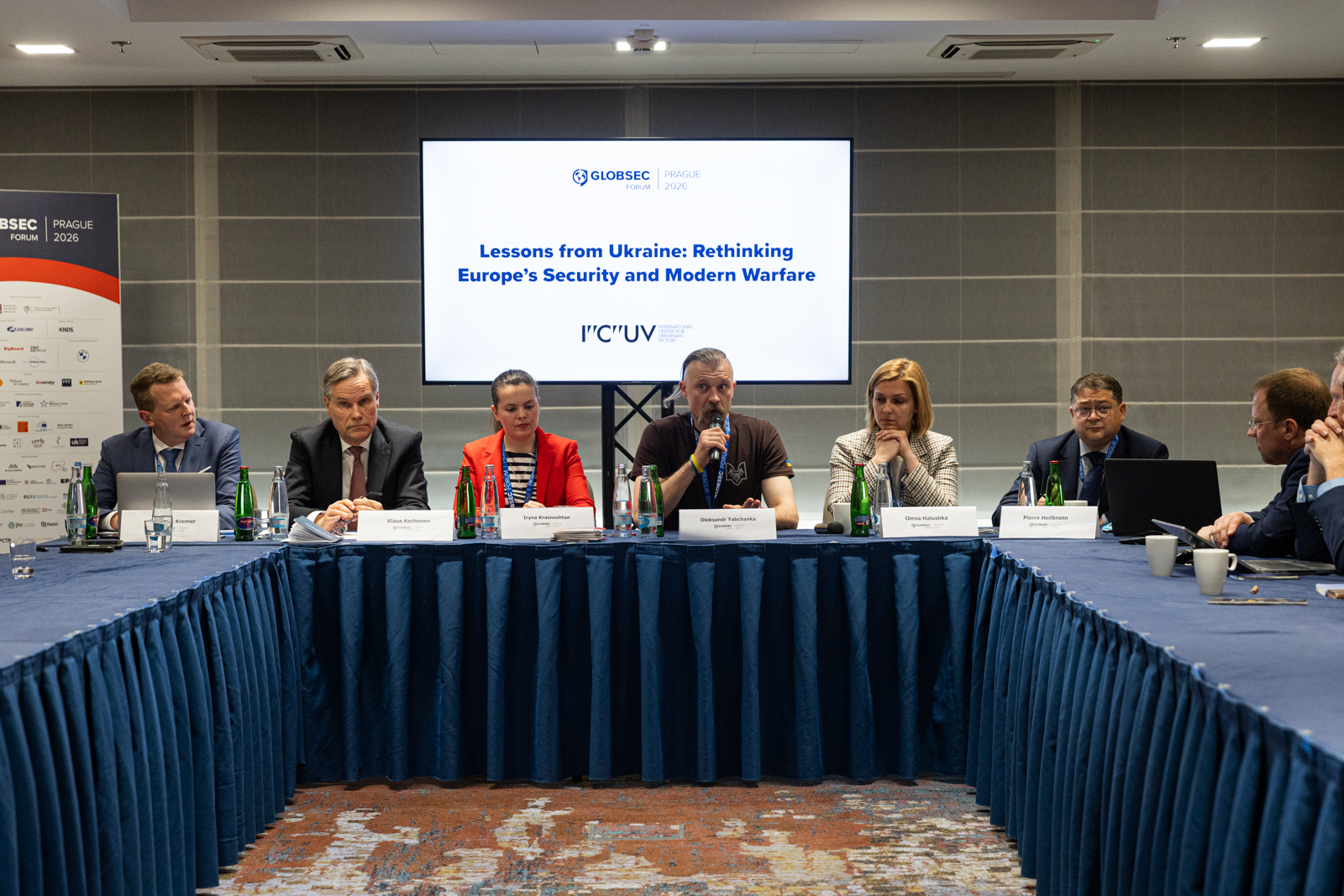
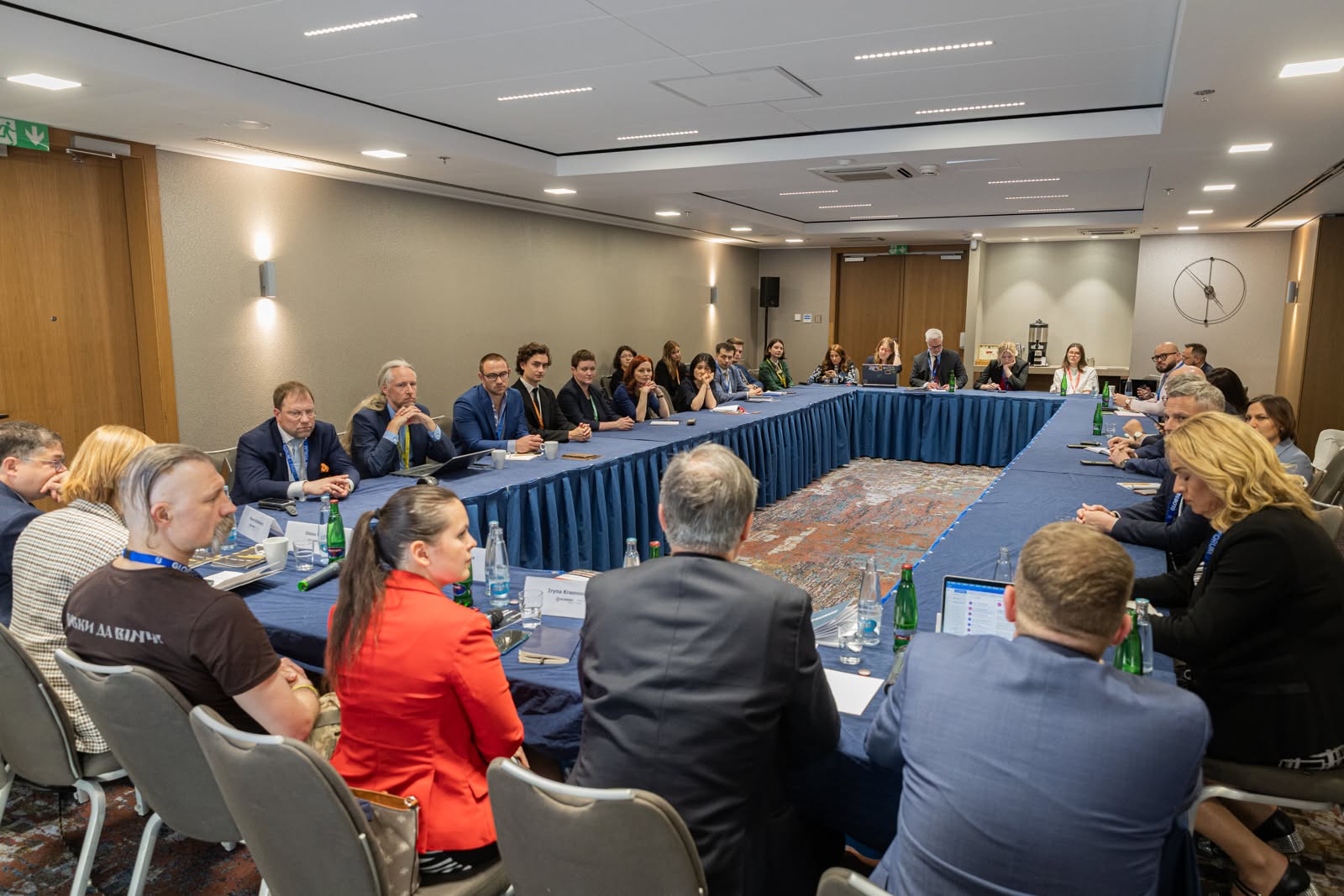
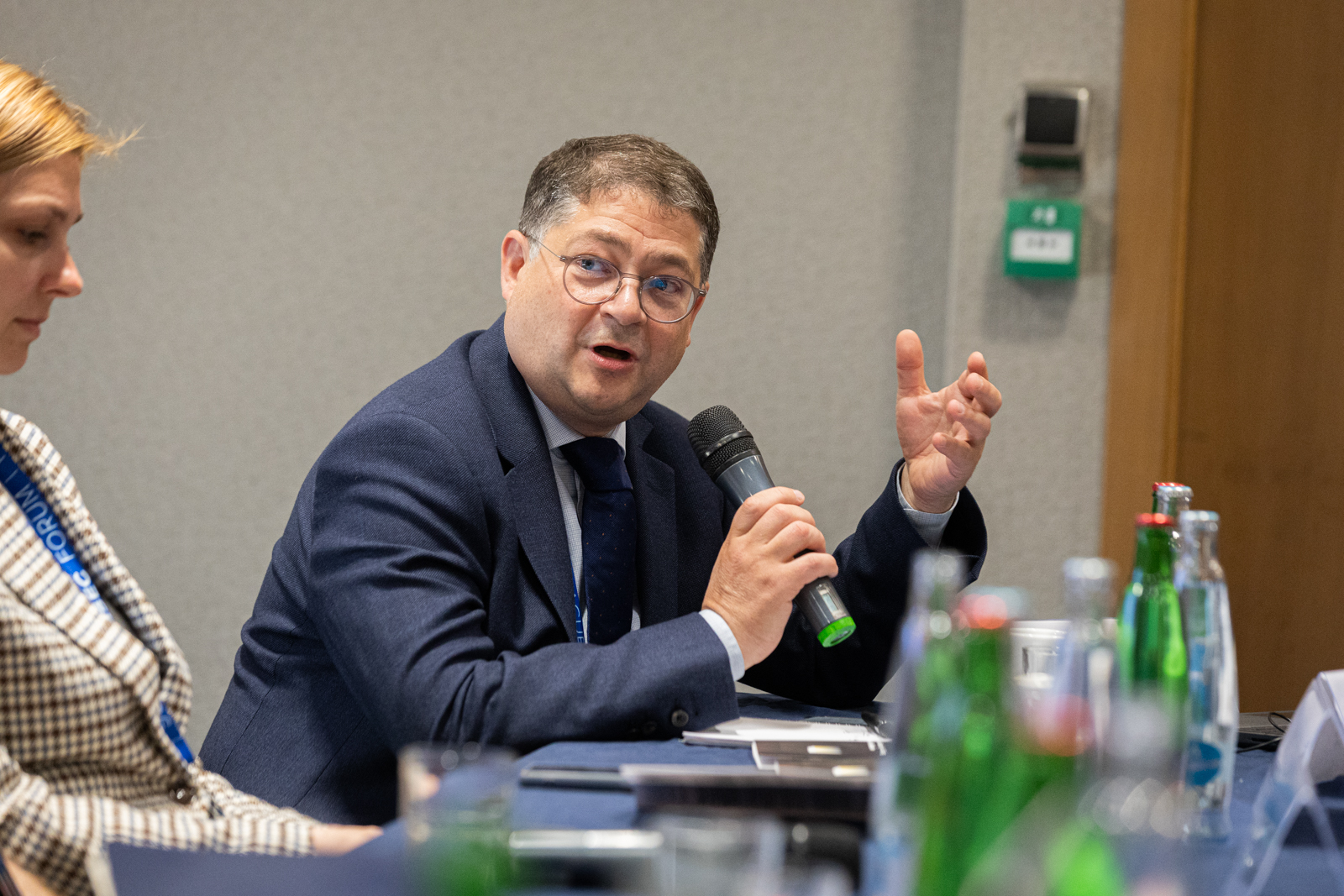
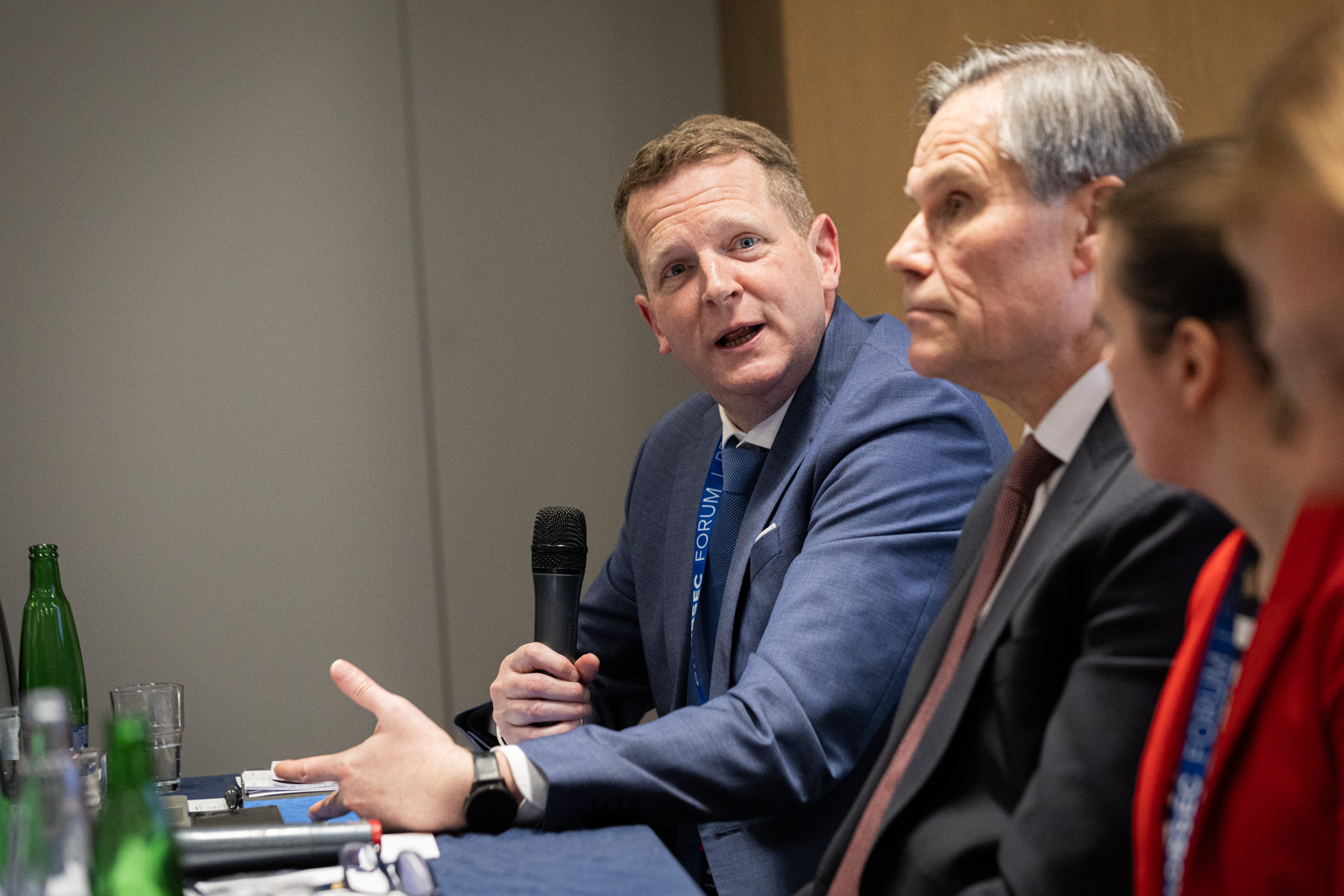
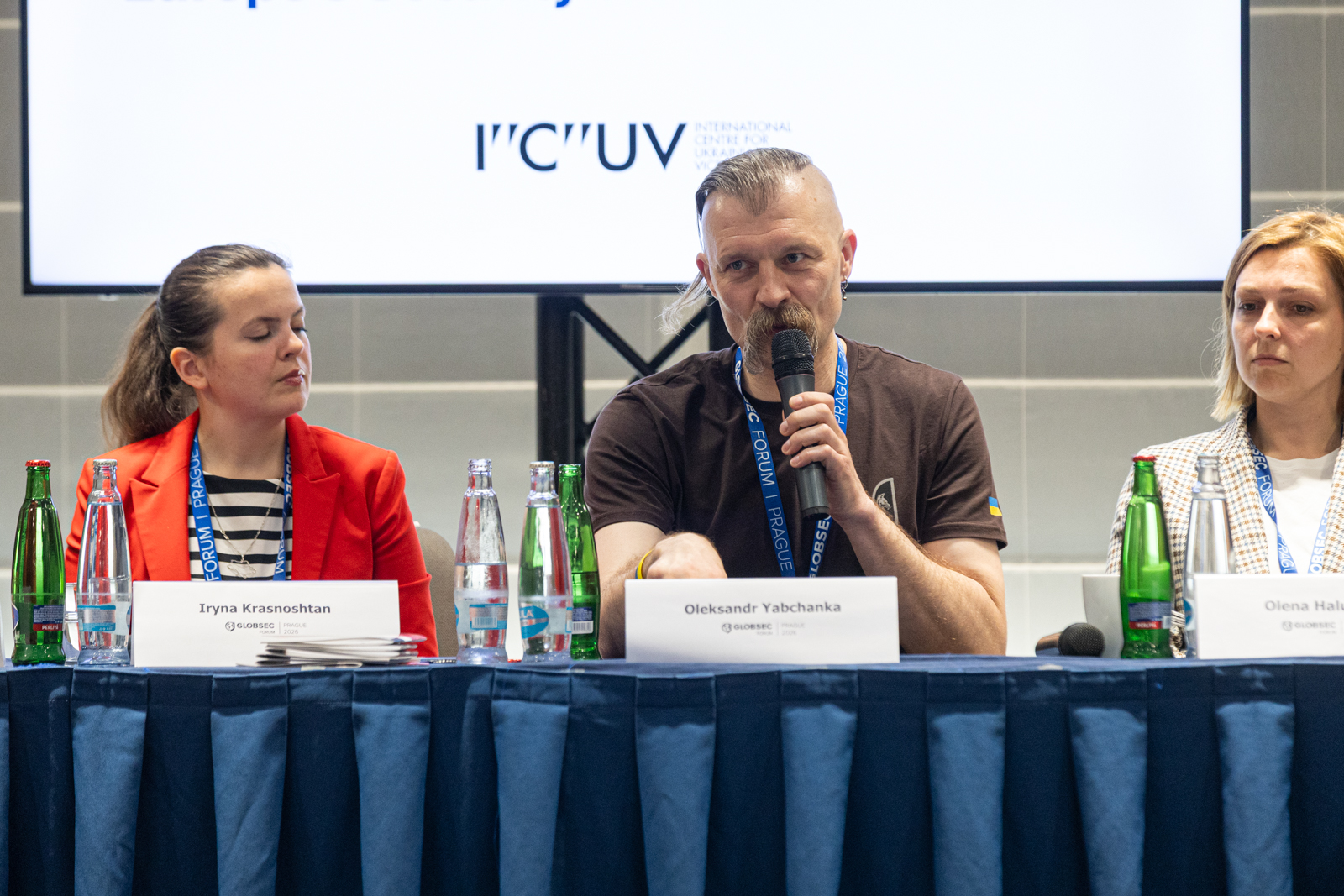
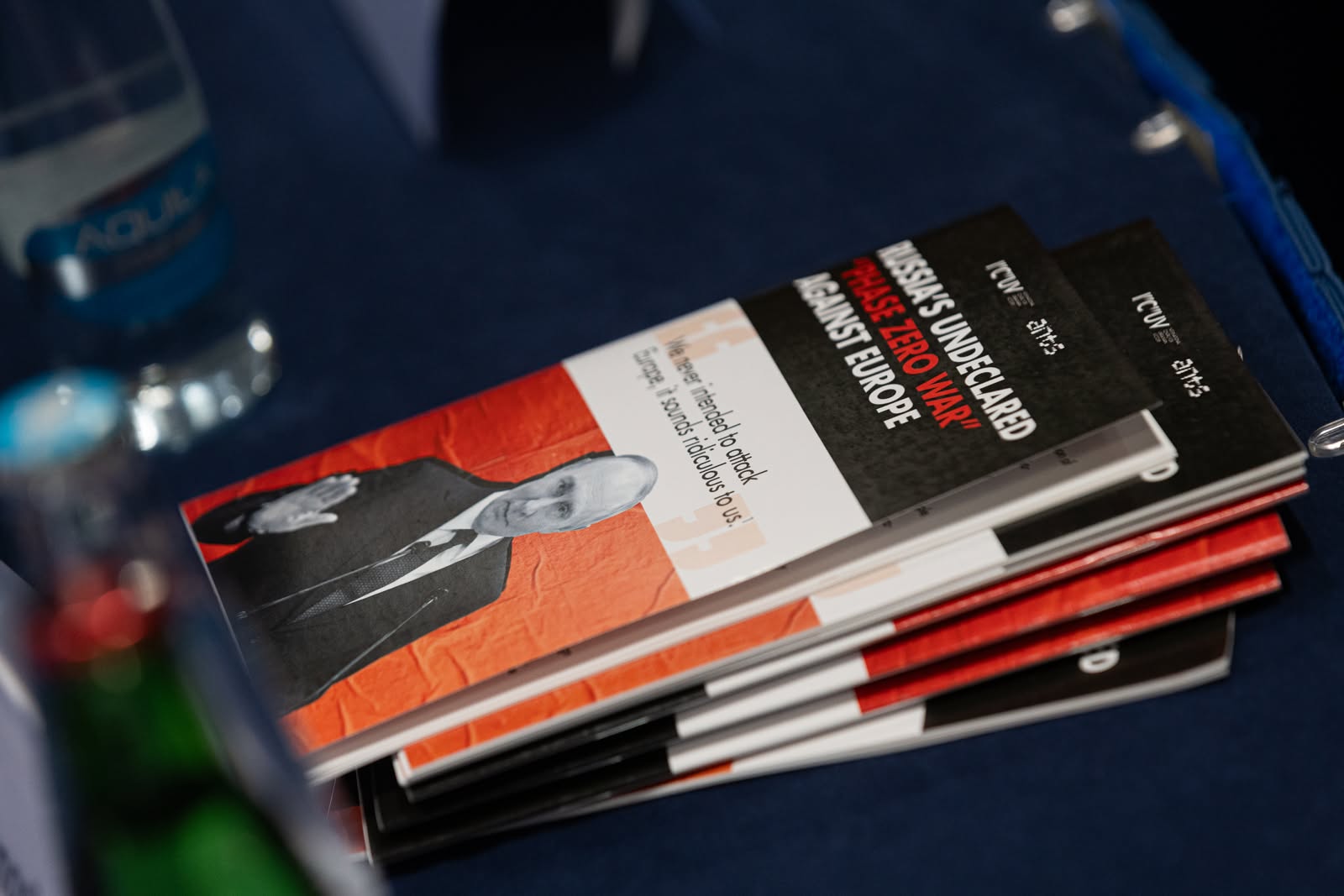
These messages culminated in ICUV’s official side session, “Lessons from Ukraine: Rethinking Europe’s Security and Modern Warfare,” which brought together policymakers, defence practitioners and security experts to discuss how Ukraine’s battlefield experience is reshaping European defence thinking. The discussion featured Pierre Heilbronn, Ambassador Klaus Korhonen, Christian Kremer, Oleksandr Yabchanka and Olena Halushka, and was moderated by Iryna Krasnoshtan. The session was built around ICUV’s latest analytical papers on Europe’s security and Russia’s hybrid war against the continent.
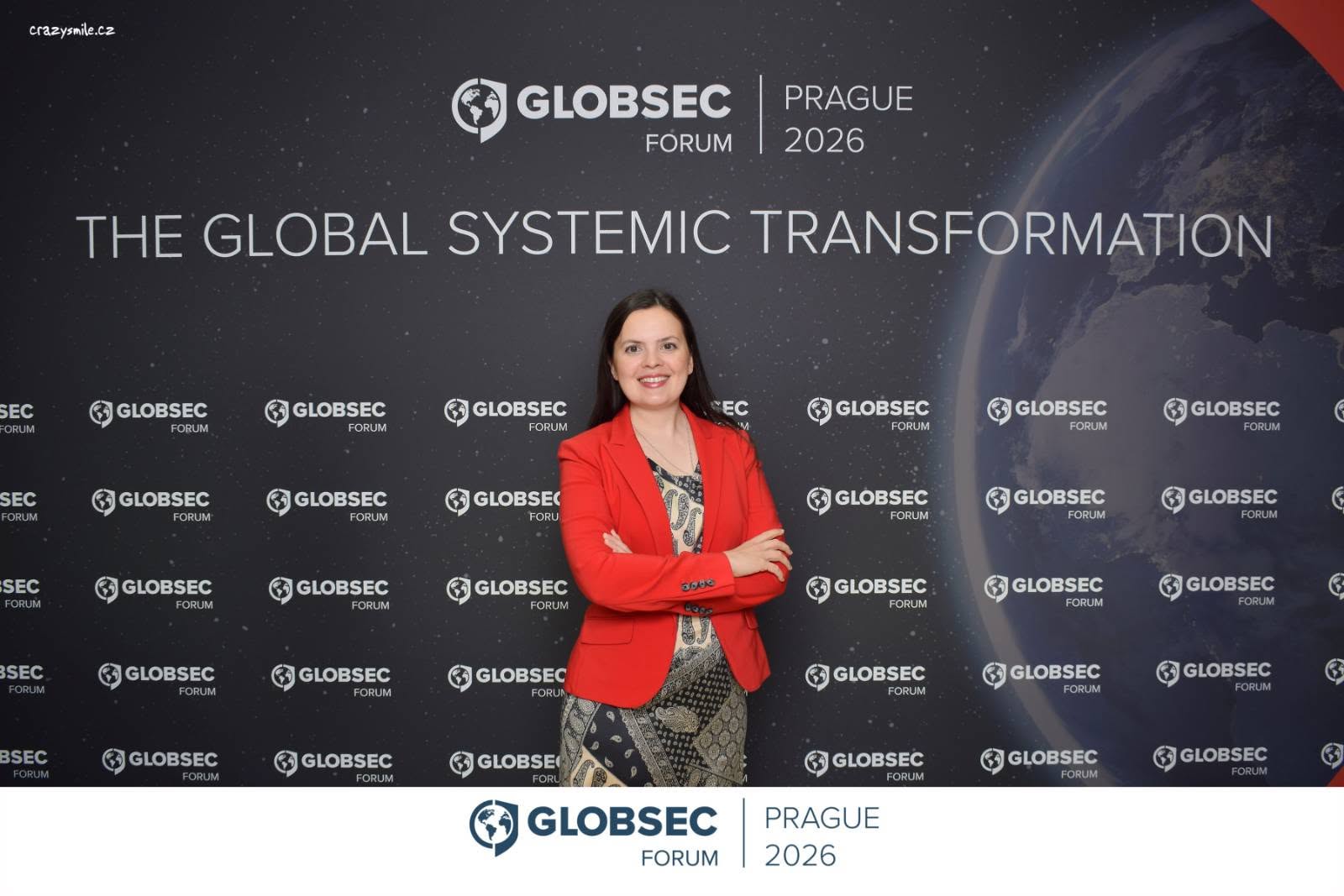
“Europe has to move beyond managing the consequences of Russia’s war and start investing in Ukraine’s victory. If Ukraine is recognised as a provider of European security, then support must be measured not by how long it lasts, but by whether it enables victory,” said Iryna Krasnoshtan, International Advocacy Director at ICUV.
She stressed that this means transferring frozen Russian sovereign assets to Ukraine, accelerating defence industrial cooperation, and investing in the technologies and expertise that Ukraine has developed under the pressure of full-scale war.
Modern warfare is being written in Ukraine
The conversation focused not only on supporting Ukraine but also on what Europe can learn from it. Ukraine today is the world’s largest laboratory of modern warfare, where military innovation evolves in real time. From drone warfare and battlefield adaptation to defence manufacturing and civil resilience, Ukrainian experience has become an increasingly valuable strategic asset for Europe.
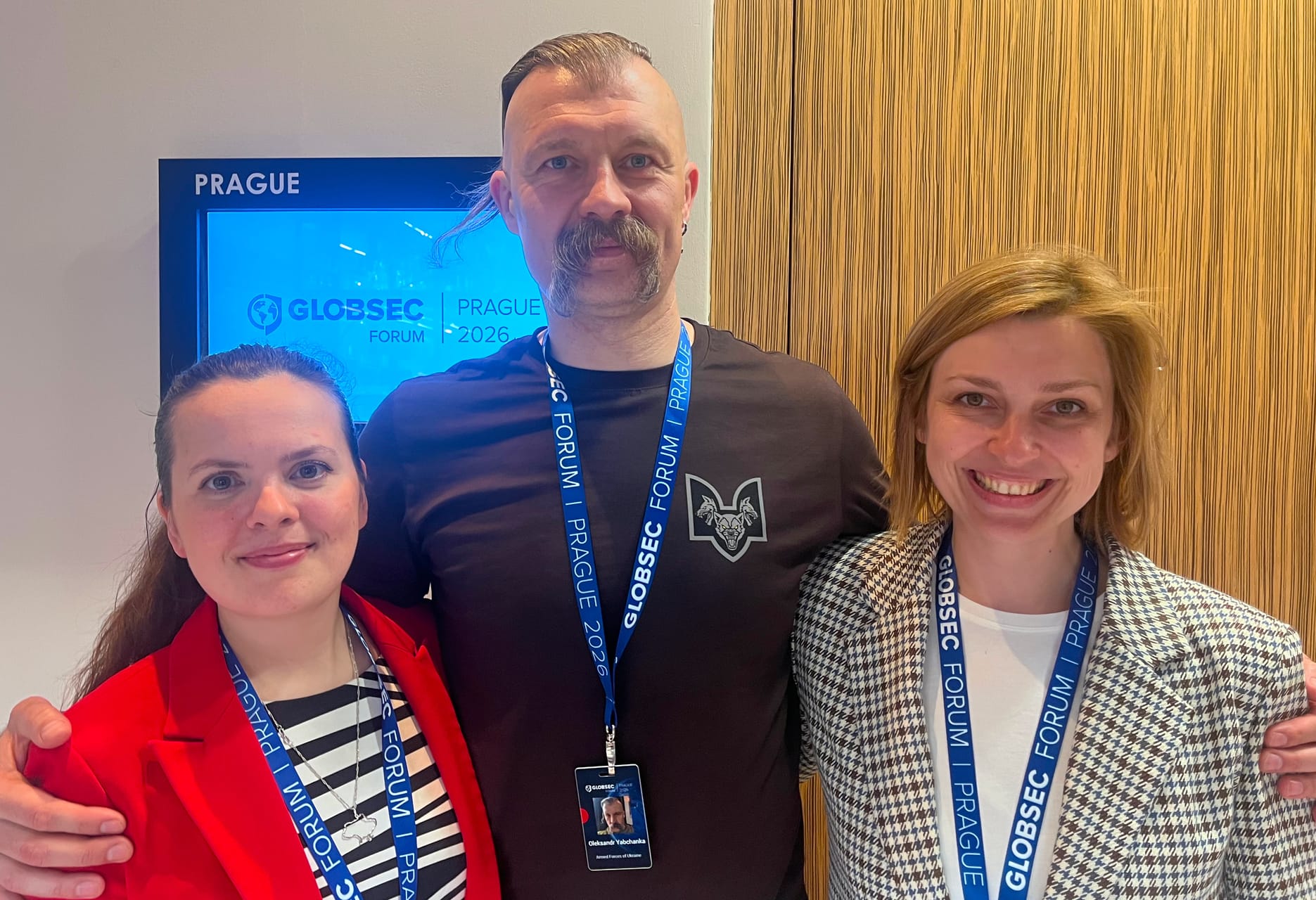
“Ukraine is not studying the future of war—we are living it every day. Every Russian attack forces us to adapt faster, innovate faster and rethink military doctrine. Europe’s security will depend on how effectively these lessons become part of our common defence,” said Oleksandr Yabchanka, Head of the Robotic Systems Service of the Da Vinci Wolves Battalion and co-founder of Defence Robotics UA.
The discussion highlighted that deeper cooperation between Ukrainian innovators and European defence industries is no longer simply desirable—it has become a strategic necessity for strengthening the continent’s long-term resilience.
Alongside the public programme, ICUV held a series of high-level bilateral meetings with decision-makers and partners, including French Senator Hélène Conway-Mouret, Member of the European Parliament Nathalie Loiseau, representatives of Germany’s CDU, and leading think tanks from France, Germany, Poland, Czechia, the Nordic-Baltic region, the Balkans and Japan. During one of the Forum’s closed sessions, Iryna Krasnoshtan addressed NATO Assistant Secretary General Boris Ruge, emphasising Ukraine’s contribution to Euro-Atlantic security and the importance of strengthening practical cooperation between Ukraine and its allies.
ICUV also facilitated the participation of a Ukrainian serviceman in the Forum, ensuring that frontline experience became part of the broader strategic conversation taking place in Prague.
Europe and Ukraine must build security together
For ICUV, GLOBSEC once again confirmed that Europe’s security debate is increasingly centred on Ukraine—not only as the frontline defending the continent, but as a partner shaping its future.
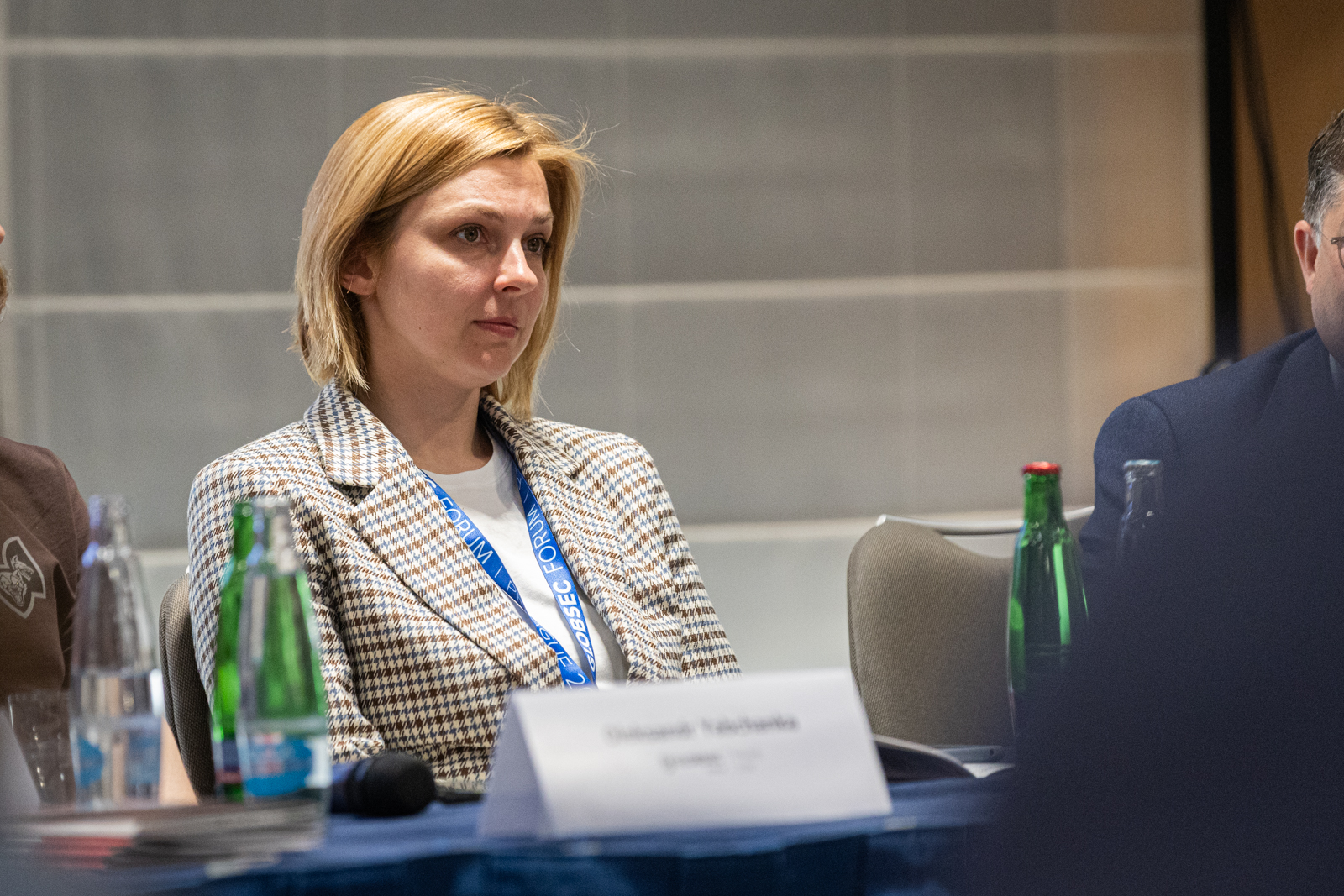
“The question is no longer whether Europe should support Ukraine. The real question is whether Europe is prepared to build its future security together with Ukraine. That requires stronger defence cooperation, tougher sanctions, the confiscation of Russian sovereign assets, and recognition that Ukraine’s experience has become one of Europe’s greatest strategic advantages,” said Olena Halushka, Co-founder of the International Centre for Ukrainian Victory.
As Europe’s security environment continues to transform, ICUV will continue working with governments, parliaments and international partners to ensure that Ukraine’s battlefield experience informs political decisions—and that political commitments translate into concrete action.