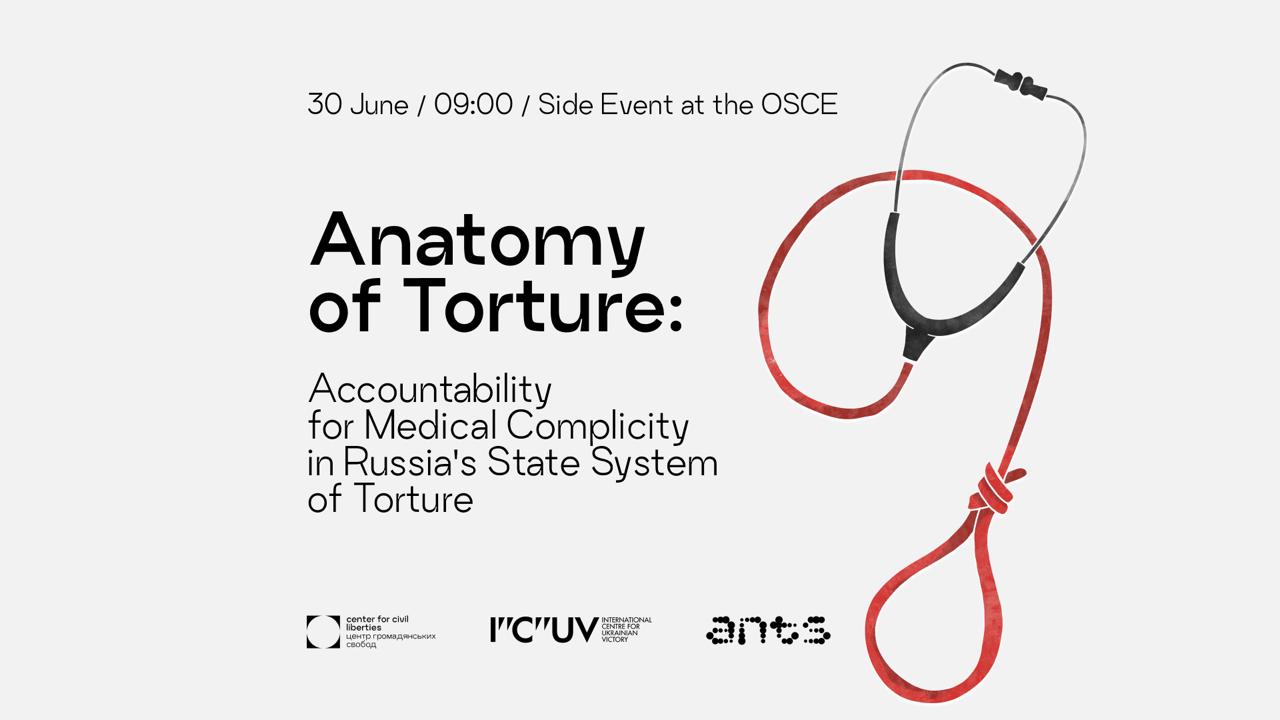
On 30 June, during the third OSCE Supplementary Human Dimension Meeting in Vienna, the side event “Anatomy of Torture” took place, organized, among others, by the Center for Civil Liberties. During the event, participants presented two new analytical reports: a joint study by the International Centre for Ukrainian Victory (ICUV) and the ANTS Network for the Protection of National Interests, as well as a policy paper by the Center for Civil Liberties. Both publications examine the ill-treatment and torture involving Russian medical personnel in places of detention located in the Russian Federation and the temporarily occupied territories of Ukraine.
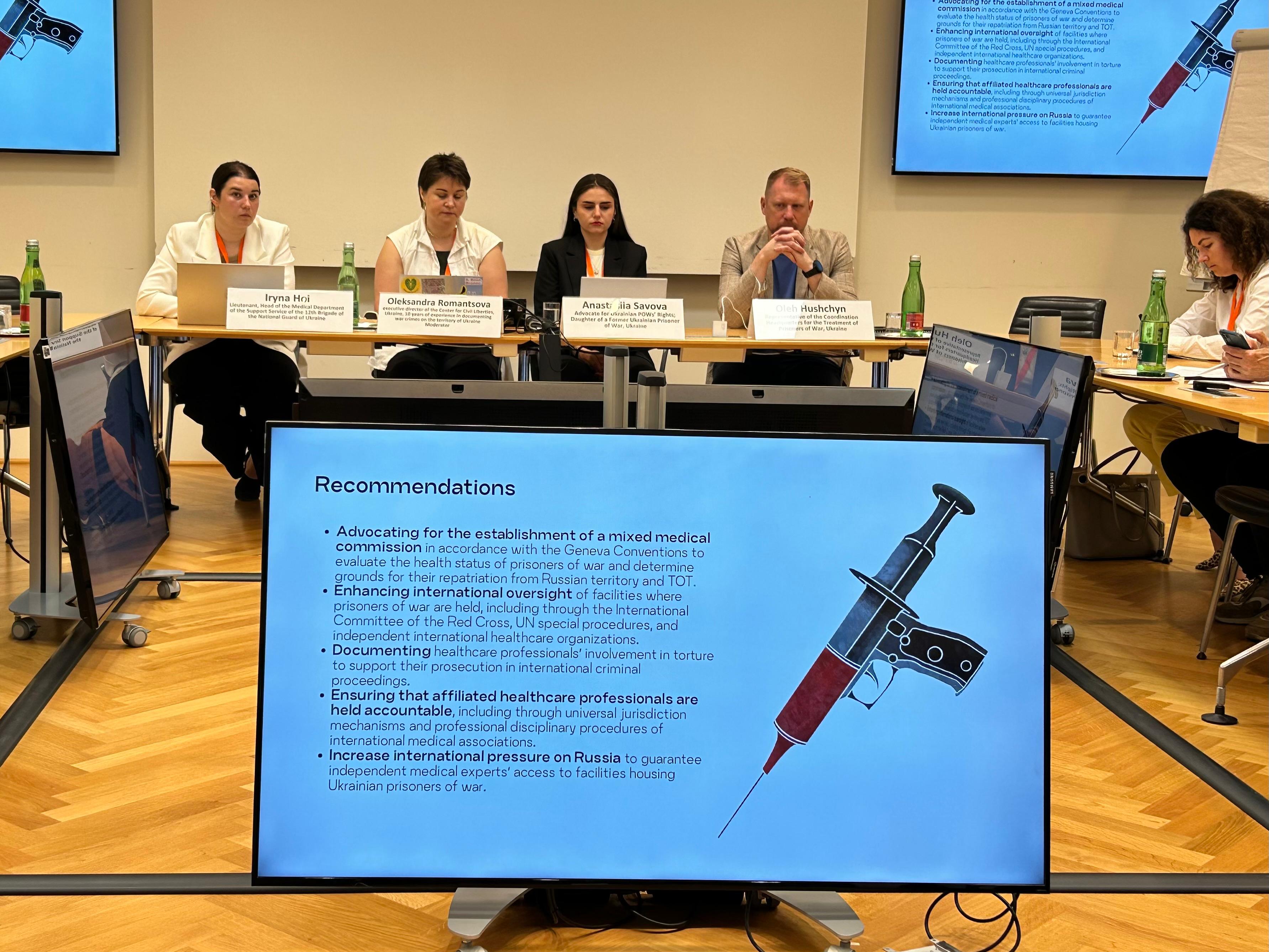
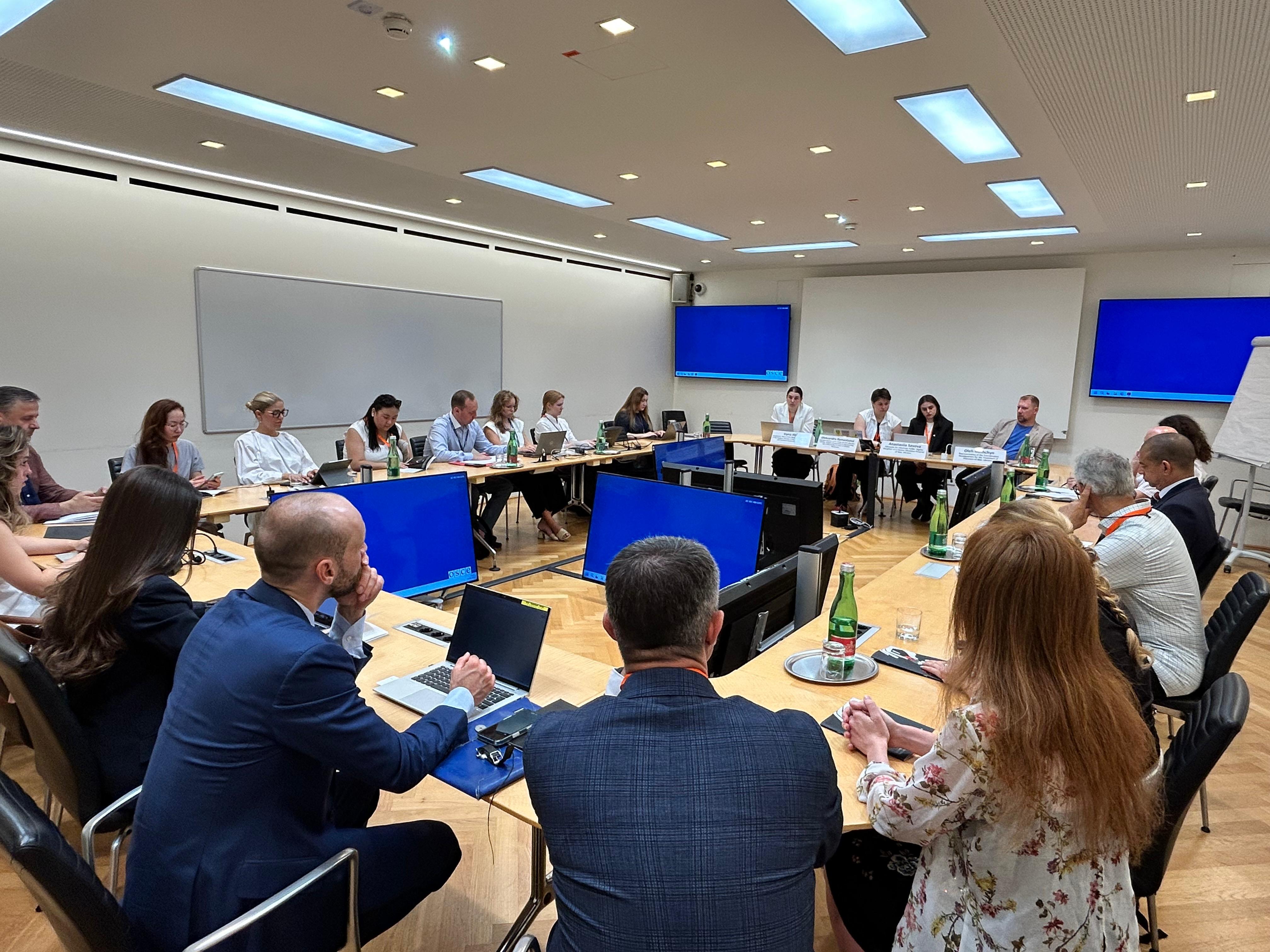
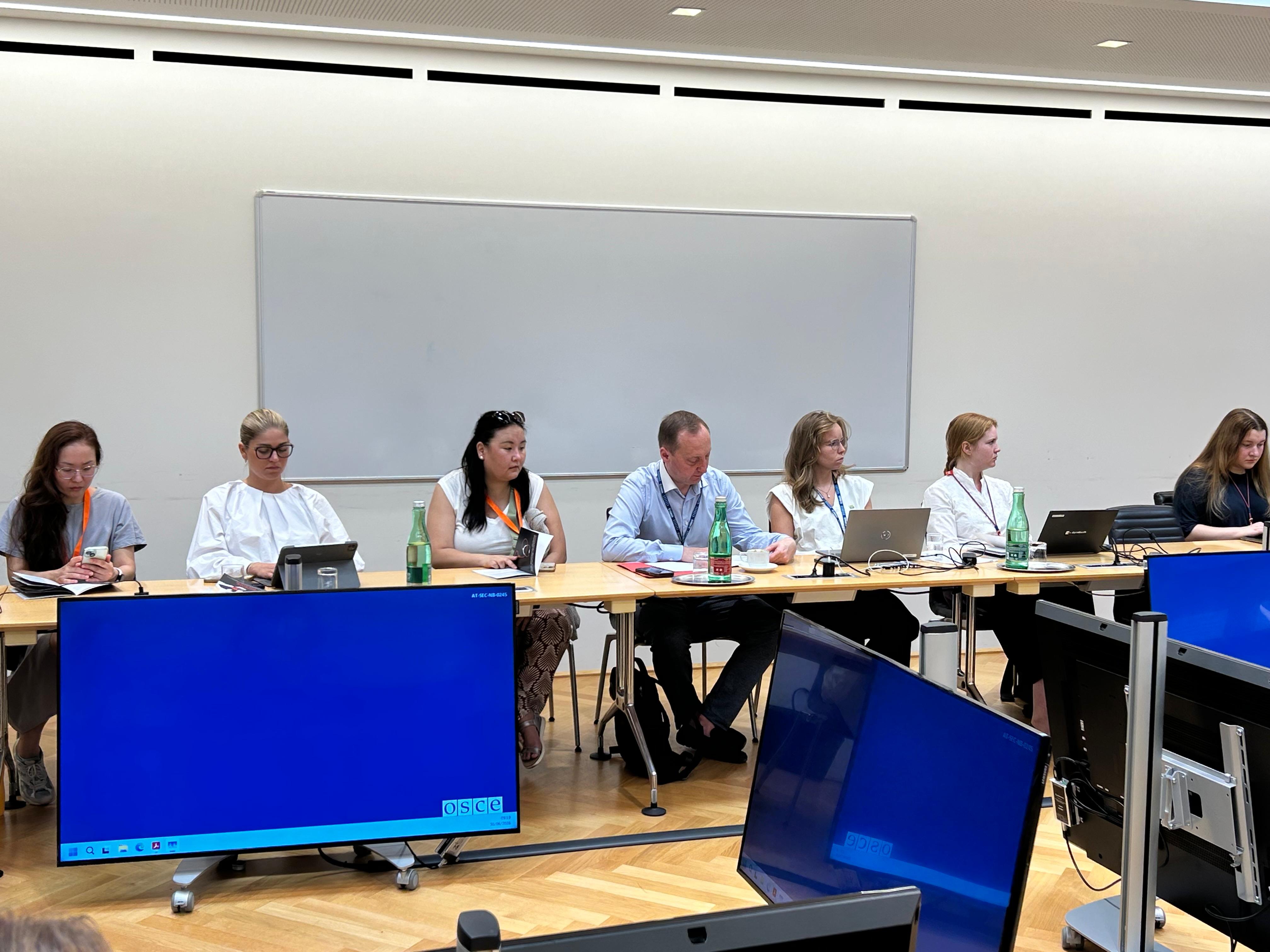
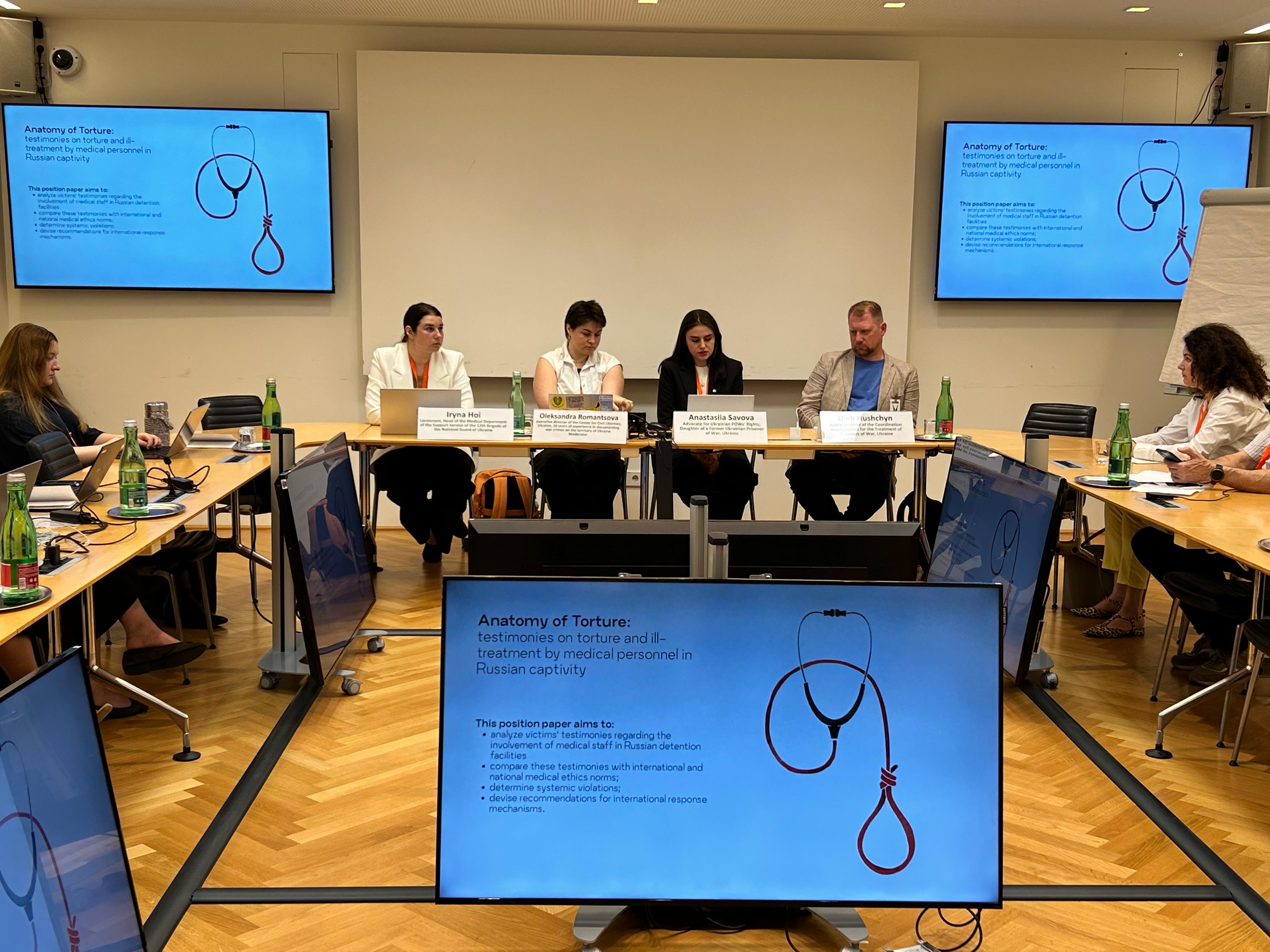
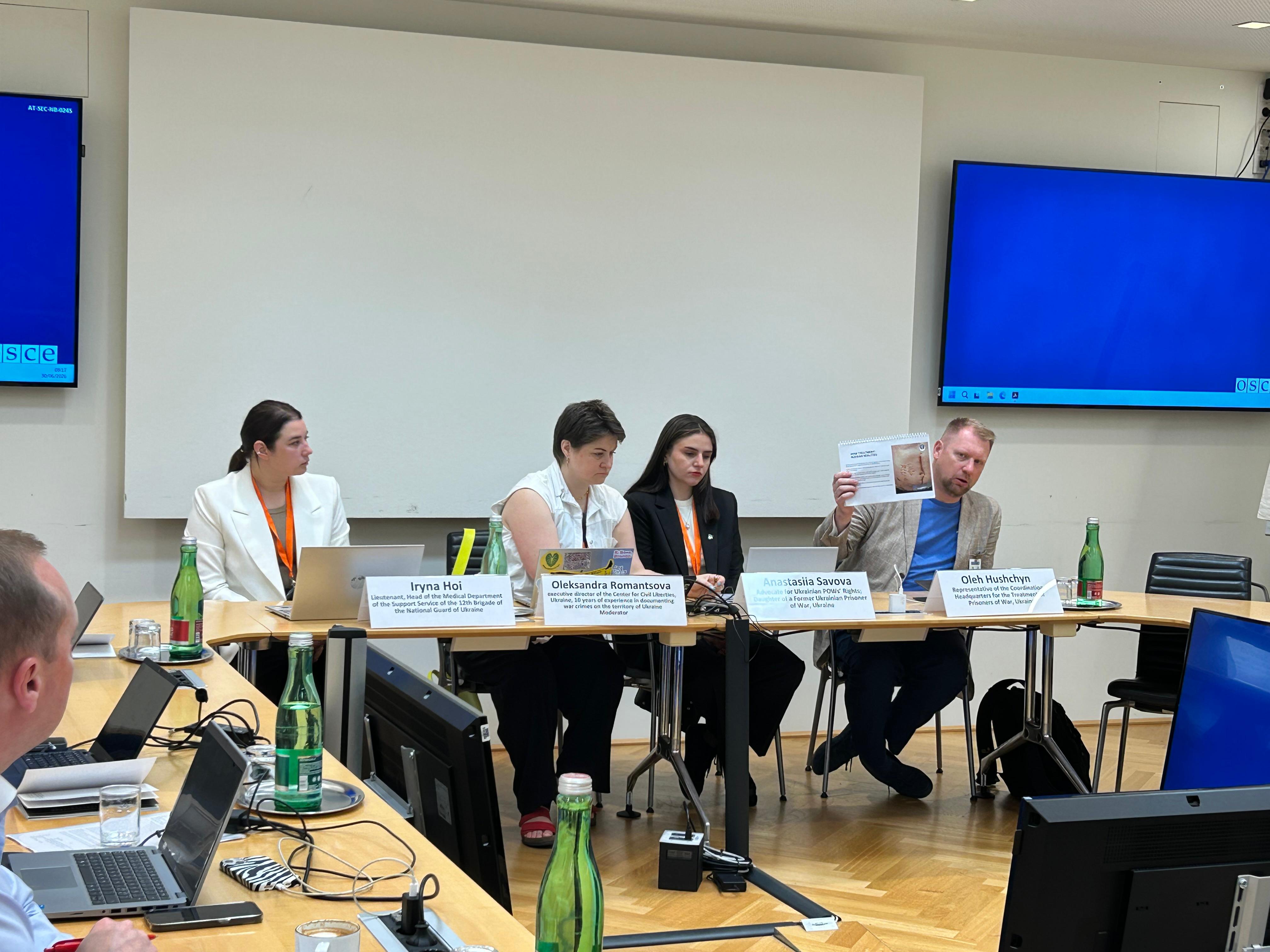
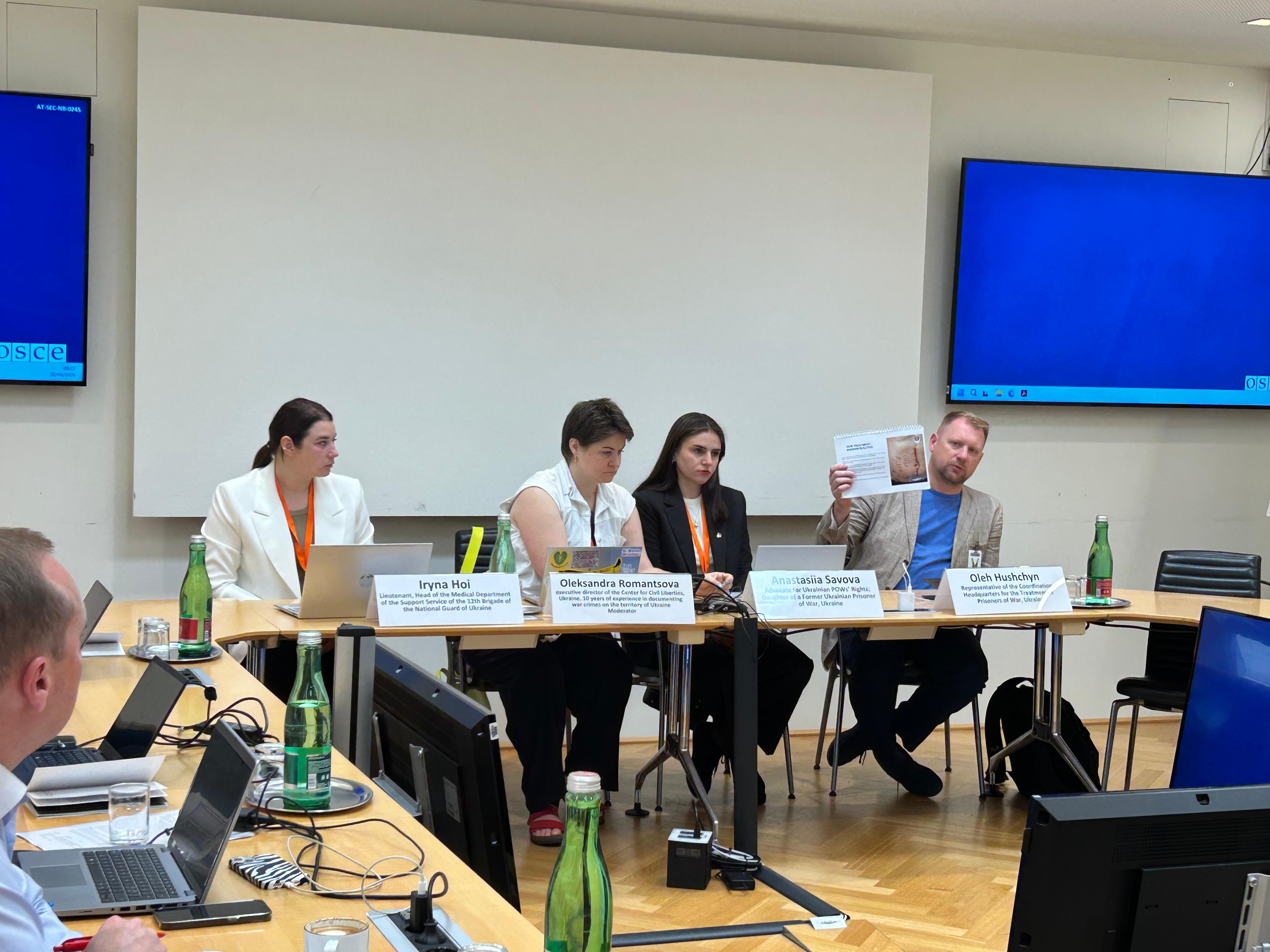
Oleksandra Romantsova, Executive Director of the Center for Civil Liberties, presented the findings of the reports. Drawing on testimonies from former prisoners of war, unlawfully detained civilians, medical professionals, and legal analysis, the research demonstrates that Russian medical personnel were integrated into a broader system of abuse. She emphasized that these practices constitute grave violations of international humanitarian law, international human rights law, the UN Convention against Torture, the Geneva Conventions, and universally recognized principles of medical ethics.
“The findings demonstrate that abuse by medical personnel is not a series of isolated incidents. These crimes are merely elements of a broader, state-created and state-supported system operating in places of detention under the control of the Russian Federation,” said Oleksandra Romantsova.
Oleh Hushchyn, a representative of the Coordination Headquarters for the Treatment of Prisoners of War, noted that the collected evidence confirms systematic denial of medical care, neglect of severe injuries and illnesses, degrading treatment, concealment of evidence of violence, and the direct involvement of medical personnel in acts amounting to torture or other forms of cruel, inhuman, or degrading treatment.
“None of the known detention facilities where Ukrainians are held in Russia complies with the requirements of the Geneva Conventions. These are places of torture, cruel treatment, and death,” Oleh Hushchyn stressed.
Iryna Hoi, Head of the Medical Service of the Support Unit of the 12th Special Forces Brigade “Azov” of Ukraine’s National Guard, drew attention to the particularly dire situation of Mariupol defenders and Azov brigade servicemembers held in Russian captivity.
“Servicemembers of the Azov Brigade are among the most difficult categories to bring home because of the distorted image of the unit created by Russian propaganda. They have been held in captivity since May 2022—now entering their fifth year. More than 600 of them remain imprisoned. They are rarely included in prisoner exchanges, even during large-scale exchanges of 1,000-for-1,000,” Iryna Hoi said.
Anastasiia Savova, daughter of Oleksandr Savov, a marine from the 36th Separate Marine Brigade, and Head of the Coordination Headquarters’ I Want to Tell project, emphasized that illnesses contracted in captivity, along with the consequences of torture and abuse—including that involving medical personnel—continue to affect former prisoners of war and civilian detainees even after their return home. She shared the story of her father, who spent nearly three years in captivity and died from the injuries he sustained after his release.
“We were incredibly happy when my father finally came home, despite the fact that he weighed almost half of what he had before captivity, had active tuberculosis, multiple injuries, and the consequences of systematic beatings and torture. Doctors could not find a single system in his body that had not been damaged. Eight months after his release, he died from injuries and illnesses caused by his time in captivity. Sadly, his body had suffered too many irreversible changes. He was finally free—but by then, doctors could no longer save him,” Anastasiia Savova shared.
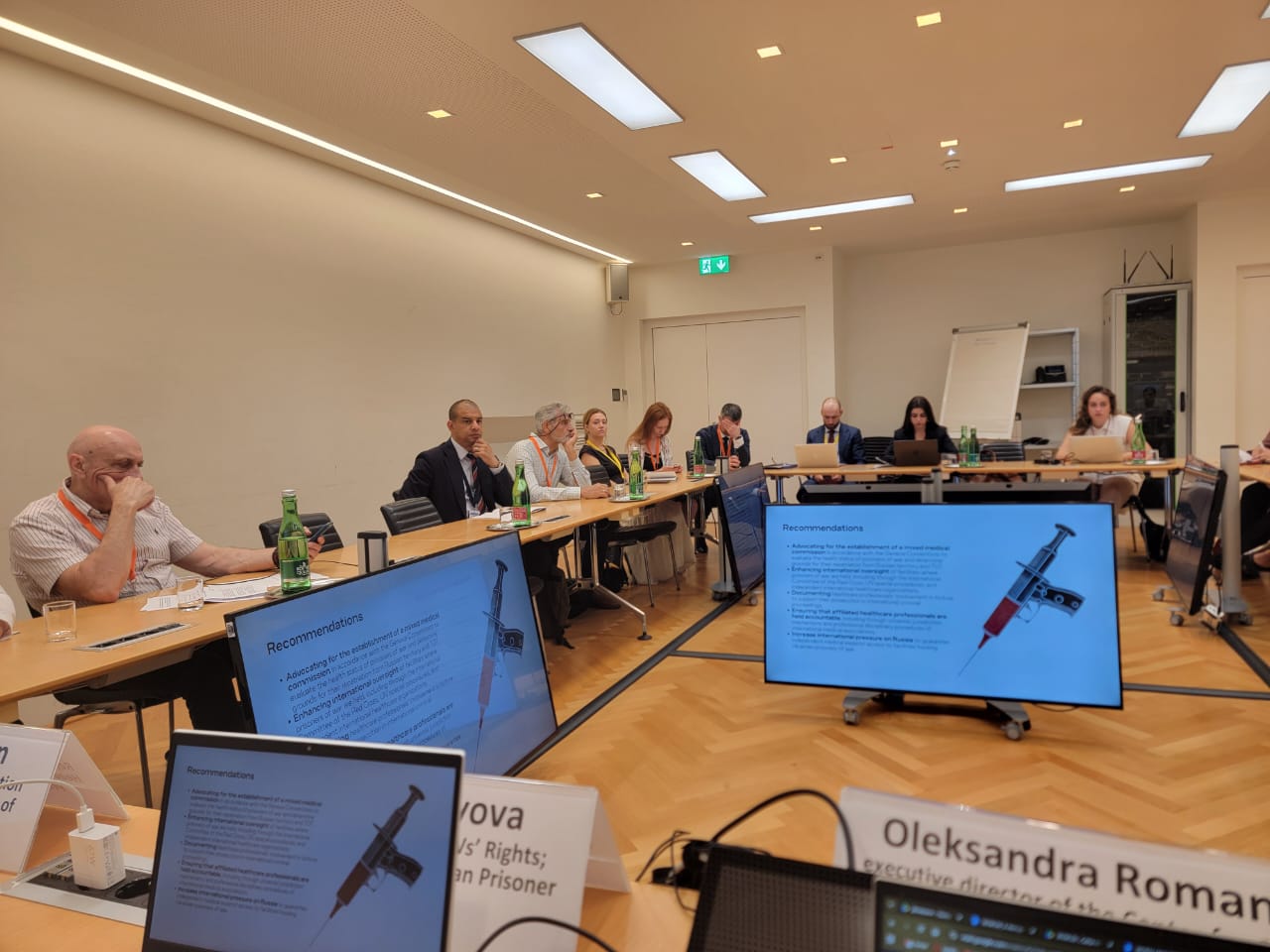
Participants called for the establishment of mixed international medical commissions to ensure access for international monitoring missions to detainees held in places of detention and to prevent further violations. They also stressed the need to use international compensation mechanisms—including frozen sovereign assets of the Russian Federation—to provide reparations and support the rehabilitation of victims of torture, unlawful detention, and other gross violations of international law.
The discussion also explored ways to ensure accountability for perpetrators, including criminal liability and professional accountability for medical personnel, as well as the role of international monitoring and justice mechanisms. Particular attention was devoted to the rights of victims, including their rights to rehabilitation, compensation, and effective remedies.
“At a time when thousands of Ukrainians remain in Russian captivity, exposing the role of medical personnel in the system of torture is critically important—not only to ensure accountability for those responsible, but also to protect the foundations of medical ethics and prevent the normalization of torture and cruel treatment in situations of armed conflict,” Oleksandra Romantsova concluded.
The event was organized by the Center for Civil Liberties, the International Centre for Ukrainian Victory (ICUV), and the ANTS Network for the Protection of National Interests. Speakers also included a representative of the Coordination Headquarters for the Treatment of Prisoners of War, a representative of the Support Unit of the 12th Special Forces Brigade “Azov” of the National Guard of Ukraine, and Anastasiia Savova, daughter of a serviceman from the 36th Separate Marine Brigade.